The Hidden Hands of Transformation
In a converted Victorian warehouse behind Brighton Station, Emma Thornfield is bent over a sewing machine, creating what will become the centrepiece of next month's Brighton Fringe production. The costume she's crafting—a elaborate Elizabethan gown that will help transport audiences to Shakespeare's court—requires over forty hours of hand-stitching, historical research, and the kind of problem-solving skills that would impress any engineer.
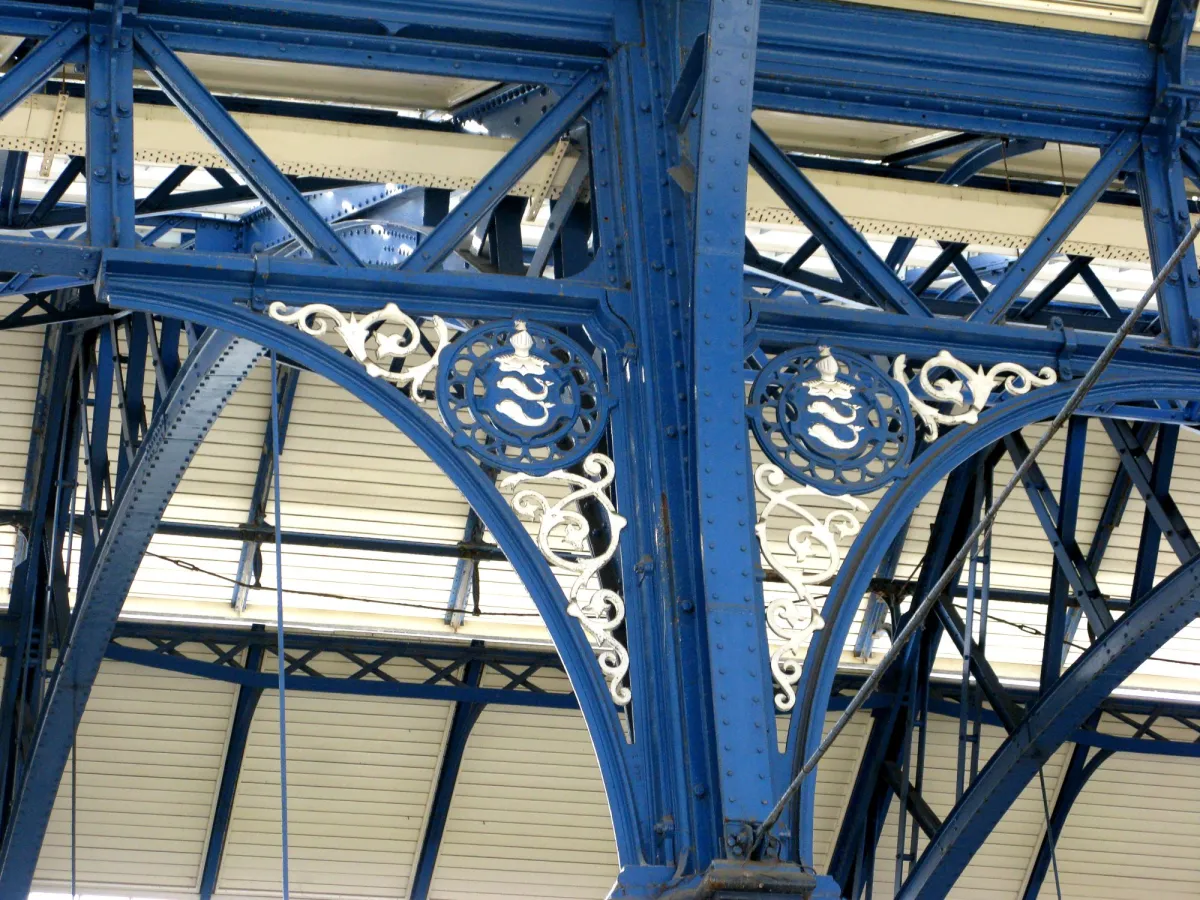 Photo: Brighton Station, via www.brightontoymuseum.co.uk
Yet when the curtain rises, Emma's name won't appear in lights. Her artistry will be credited in small print, if at all, whilst the actors wearing her creations take their bows. This is the peculiar fate of Brighton's costume makers—artists whose work is simultaneously essential and invisible, celebrated and overlooked.
"People see the final product and think it's magic," Emma explains, holding up a sleeve that's been constructed with period-accurate techniques. "They don't see the weeks of research, the pattern drafting, the fittings, the late nights fixing tears between shows. We're the backbone of Brighton's creative scene, but we're also its best-kept secret."
The Ecosystem of Fabric and Fantasy
Brighton's costume-making community operates as an intricate ecosystem, with specialists covering everything from historical accuracy to avant-garde experimentation. In workshops scattered across the city, artisans focus on different niches—some specialise in theatrical work, others in film and television, and a growing number serve the city's vibrant drag and cabaret scene.
The diversity of Brighton's creative output means costume makers here need to be remarkably versatile. One week might bring a commission for a period drama filming in the South Downs, the next a request for futuristic club wear for a electronic music video. This variety, whilst challenging, has created a uniquely skilled workforce.
"Brighton costume makers are like creative Swiss Army knives," observes Dr. Rachel Harrison, who studies creative industries at the University of Brighton. "They've had to develop such a broad skill set because the work here is so varied. You'll find people who can do historical reproduction, contemporary fashion, fantasy creatures, and abstract conceptual pieces all in the same workshop."
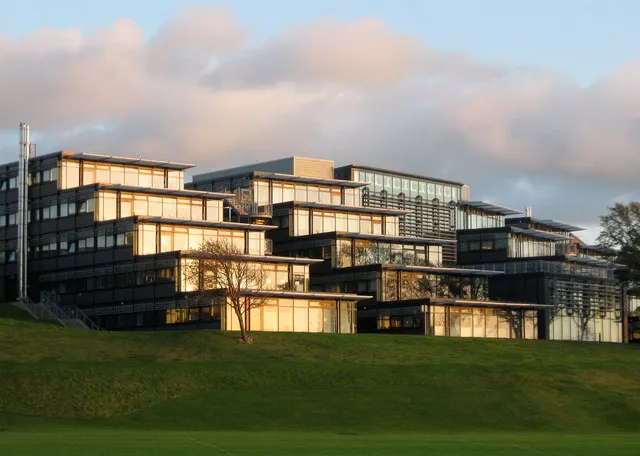 Photo: University of Brighton, via s0.geograph.org.uk
Masters of the Impossible Budget
Perhaps no skill is more essential to Brighton's costume makers than the ability to create miracles on microscopic budgets. Fringe theatre productions typically allocate less than £200 for entire shows' worth of costumes. Student films offer even less. Yet somehow, through ingenuity, recycling, and sheer bloody-mindedness, these artisans consistently deliver.
The secret lies in a parallel economy of sharing, swapping, and creative repurposing that operates largely beneath the radar. Costume makers maintain vast networks of material sources—from charity shop partnerships to arrangements with local dry cleaners for unclaimed garments. They trade skills, share equipment, and pass along half-finished projects like a creative relay race.
"I've made Hamlet's doublet from curtains bought at a car boot sale, and a space suit from pizza delivery bags and kitchen foil," admits costume maker Jake Phillips, whose workshop doubles as a archive of rescued materials. "The constraint actually makes the work more interesting. Anyone can make something beautiful with unlimited money. The art is in making something beautiful with thirty quid and whatever's in the charity shop that day."
The Drag Economy
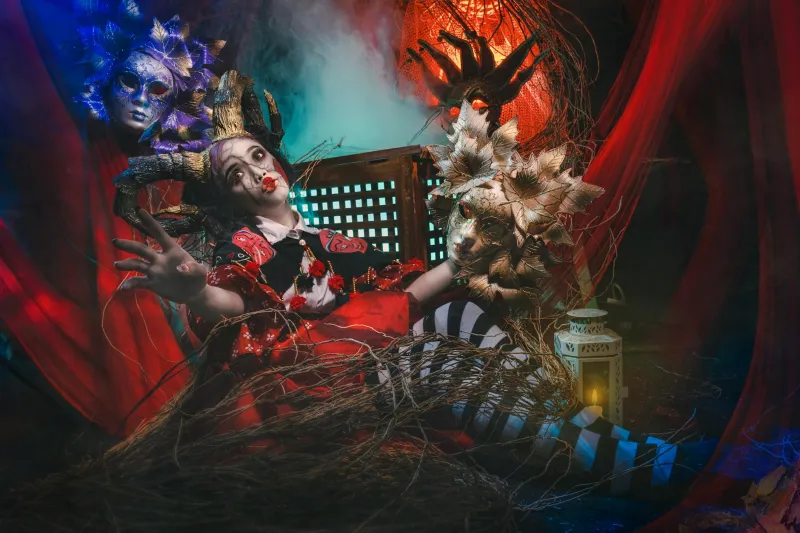
Brighton's reputation as the UK's drag capital has created an entirely separate costume economy, one that operates on different principles from traditional theatre work. Drag performers often commission multiple outfits per year, building relationships with makers who understand the specific requirements of performance drag—garments that must be simultaneously glamorous and durable, fitted perfectly yet quick to change.
This market has attracted a new generation of costume makers who specialise in the technical challenges of drag construction. Creating a gown that can withstand the rigours of a two-hour show whilst maintaining perfect silhouette requires engineering skills that traditional costume training rarely covers.
"Drag costumes are like Formula One cars," explains designer Priya Patel, who's built a thriving business serving Brighton's drag community. "They need to look absolutely stunning and perform flawlessly under extreme conditions. Plus, drag performers have very specific visions—they know exactly how they want to look and feel. It's collaborative, but also incredibly demanding."
The Skills Crisis
Despite the constant demand for their services, Brighton's costume makers face an uncertain future. Traditional apprenticeship systems have largely disappeared, and formal education programmes focus more on fashion design than the practical skills needed for costume construction. Many current practitioners are self-taught or learned through informal mentorship arrangements.
The economic pressures are equally challenging. Whilst demand for costume work continues to grow alongside Brighton's expanding creative sector, budgets remain stubbornly small. Many costume makers supplement their income with alterations, repairs, or completely unrelated work.
"We're seeing people leave the industry because they can't make it pay," warns costume designer Helen Morrison, who's worked in Brighton for over twenty years. "The skills take years to develop, but the work doesn't pay enough to live on. We're at risk of losing an entire generation of makers."
Recognition and Renaissance
Recent years have brought signs of change. Brighton Museum's 2023 exhibition on local costume makers drew record crowds, highlighting the artistry that usually remains behind the scenes. Several local production companies have begun crediting costume makers more prominently, and the Brighton Fringe has introduced awards specifically recognising costume design.
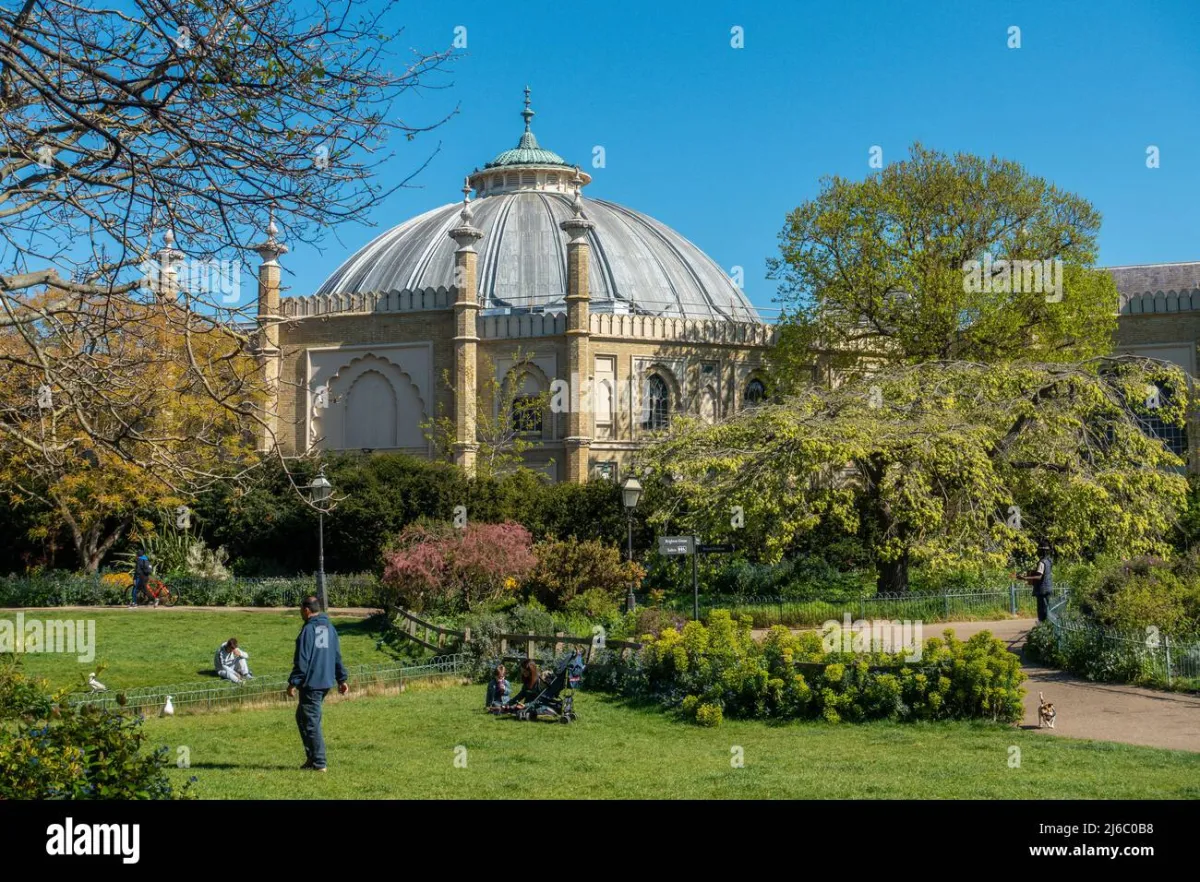 Photo: Brighton Museum, via c8.alamy.com
Social media has also provided new platforms for costume makers to showcase their work and build direct relationships with clients. Instagram accounts documenting the construction process have helped audiences understand the skill and labour involved in creating stage magic.
"People are finally starting to see costume making as an art form in its own right," observes Emma Thornfield. "Not just a support service for other arts, but something with its own aesthetic value and creative vision. It's taken a while, but I think we're getting there."
The Future of Brighton's Costume Culture
As Brighton's creative industries continue to expand, the costume making community finds itself at a crossroads. New opportunities in film and television production are bringing larger budgets and higher profiles, whilst the growth of immersive theatre and experience economy creates demand for entirely new types of costume work.
The challenge lies in scaling this artisanal industry without losing the collaborative spirit and creative resourcefulness that makes it special. Some makers are exploring cooperative models, sharing workshop spaces and equipment whilst maintaining individual artistic identities.
"Brighton's costume community succeeds because we support each other," reflects Jake Phillips. "We share knowledge, materials, contacts. It's not really competitive—there's enough work for everyone, and the challenges are big enough that we need to work together to solve them."
In a city built on creative collaboration and artistic innovation, the costume makers remain the unsung heroes, transforming imagination into reality one stitch at a time. Their recognition may be long overdue, but their artistry—and their essential role in Brighton's cultural ecosystem—is finally coming into focus.