The Great Exodus
There's a particular moment in late September when Brighton exhales. You can feel it in the air – that collective sigh as the last of the day-trippers drag their wheeled suitcases across the station concourse, heading back to lives that don't smell of salt and possibility. The 18:47 to Victoria pulls away with its cargo of sunburnt shoulders and sandy flip-flops, and suddenly the city belongs to us again.
This is when Brighton becomes itself. Not the postcard version or the Instagram backdrop, but the real thing – complex, moody, and utterly magnetic. The crowds that define our summer might bring life to the tills, but they also obscure something vital about this place. It's only when they're gone that you can hear the city's true heartbeat.
Storm Season Revelations
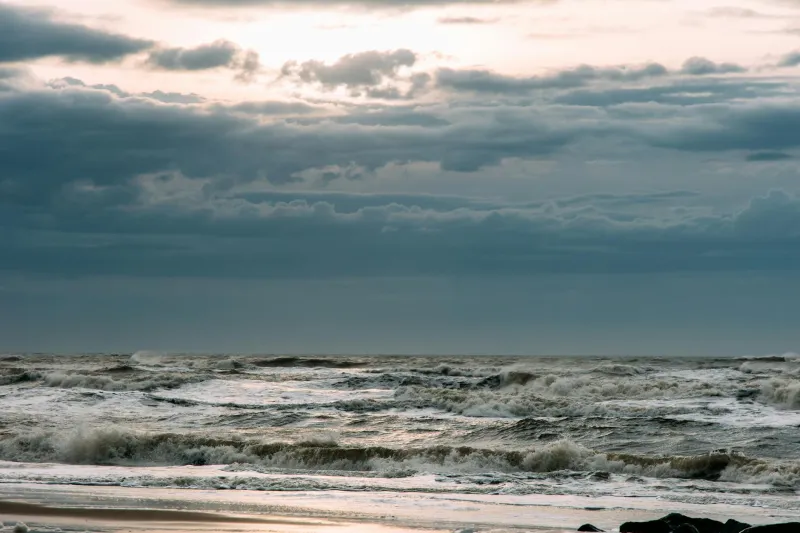
Walk the seafront in November and you'll understand what I mean. The promenade that once heaved with bodies now stretches empty save for dog walkers and the occasional jogger battling the headwind. The sea isn't the docile blue of holiday snaps but something altogether more dramatic – grey-green and churning, throwing spray over the railings with gleeful abandon.
This is Brighton's most honest season. The pier stands defiant against winter storms, its lights reflecting in puddles that yesterday were bone-dry pavement. The beach huts, those striped sentinels of summer joy, huddle together like old friends sharing secrets. There's a melancholy beauty here that the sun-seekers never witness, a raw poetry that only reveals itself when the weather turns.
The locals know this truth. We've learned to love the city's winter moods, to find beauty in the dramatic skies that roll in from the Channel. While others flee indoors, we pull on our coats and head out to witness nature's theatre. Brighton in a storm is Brighton at its most magnificent – uncompromising, wild, and utterly alive.
Intimate Spaces, Deeper Conversations
Step inside any pub worth its salt in December and you'll find something remarkable: actual conversation. Not the shouted exchanges over summer's din, but proper talk – the kind that happens when strangers become temporary confidants over pints of Harvey's. The Basketmakers Arms isn't fighting for space anymore; the Hope & Ruin can host a band without the usual sardine-tin squeeze.
These quieter months reveal Brighton's true social fabric. The gastropubs that served overpriced fish and chips to tourists now return to their roots, offering hearty Sunday roasts to locals who've claimed their favourite corners back. Staff remember your name, your usual order, your ongoing saga with the upstairs neighbours. This is community in its purest form.
The restaurants, too, shed their summer personas. No more rushed service for tables that turn three times a night. Instead, there's time for the chef to experiment, for waiters to recommend the wine that pairs perfectly with tonight's special. The city's culinary scene, freed from the tyranny of tourist expectations, can finally breathe and create.
Creative Hibernation
Brighton's artists have always known that winter is when the real work happens. The studios that lay dormant during festival season come alive with the sound of creativity unbound. Painters who spent summer months serving in bars return to their canvases. Musicians who busked for holiday crowds retreat to rehearsal rooms to craft the songs that will define next year's sound.
The city's creative energy doesn't diminish in winter – it intensifies. Concentrated. Without the constant demand to perform Brighton-ness for visitors, the actual residents can get on with the business of making culture. The result is a flowering of authentic artistic expression that happens away from the spotlight, in converted warehouses and basement studios where the only audience that matters is the work itself.
Galleries curate more adventurous exhibitions. Theatre companies take risks they'd never dare during peak season. The whole creative ecosystem shifts from entertainment to exploration, from crowd-pleasing to truth-telling.
The Democracy of Rain
There's something beautifully egalitarian about Brighton in the rain. The boutique shoppers retreat, leaving the charity shops and vintage stores to those who understand that the best finds come from patient hunting, not quick browsing. The seafront cafés serve tea to pensioners and poets with equal enthusiasm, no longer prioritising the customers with the heaviest wallets.
This is when Brighton's progressive heart beats strongest. Without the distraction of summer's commercial circus, the city's political soul emerges. Community meetings happen in earnest. Local issues get proper attention. The people who actually live here can shape the conversation about what this place should become.
Finding Home in the Off-Season
Perhaps this is why so many of us fell in love with Brighton in the first place – not for its summer carnival, but for these quieter moments when the city reveals its deeper character. The off-season doesn't diminish Brighton; it distils it. Every storm-battered morning, every cosy evening in a half-empty pub, every conversation that happens because there's finally space to breathe – these are the moments that make a place home.
So next time someone asks you when to visit Brighton, tell them about the summer if you must. But if they really want to understand this place, if they want to glimpse its soul, tell them to come back when the last train has left Victoria and the city settles into its beautiful, complicated, utterly authentic self.
That's when Brighton becomes not just a destination, but a revelation.