The Church Hall Chronicles
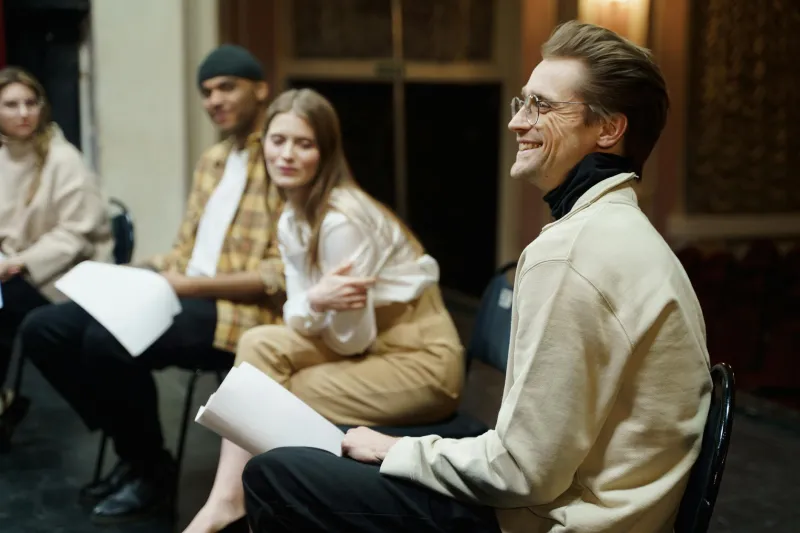
St. Bartholomew's Church Hall on a Tuesday evening: forty plastic chairs arranged in hopeful rows, a makeshift stage marked by gaffer tape, and three actors in charity shop costumes delivering Chekhov with the intensity of seasoned professionals. This is amateur dramatics as Brighton does it—unpolished, uncompromising, and utterly compelling.
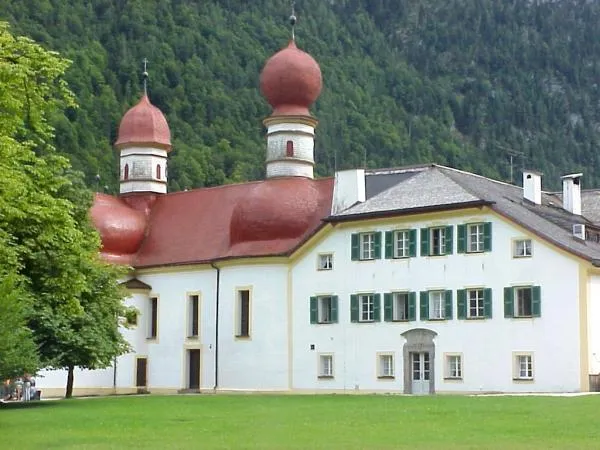 Photo: St. Bartholomew's Church Hall, via photos.wikimapia.org
The Brighton Amateur Dramatic Society (BADS) has been staging productions in this draughty hall for thirty-seven years, surviving funding cuts, pandemic lockdowns, and the occasional personality clash with the determination that only true believers possess. Tonight's rehearsal of "Three Sisters" might lack the budget of the Theatre Royal, but it doesn't lack heart.
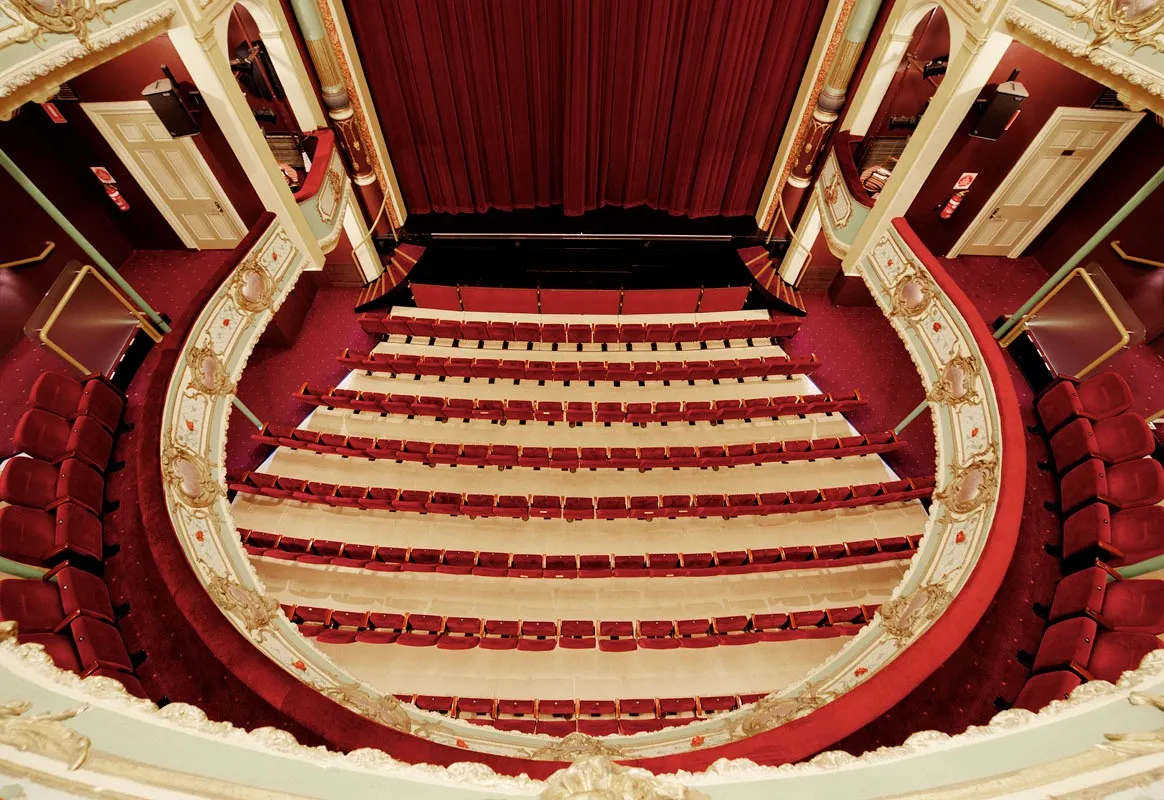 Photo: Theatre Royal, via www.theatreroyal.com.au
"People think amateur means second-rate," says director Margaret Fowley, adjusting a precarious piece of scenery. "But amateur means doing something for love, not money. That changes everything about how you approach the work."
The Democracy of Drama
What makes Brighton's amateur theatre scene remarkable isn't just its persistence—it's its radical inclusivity. Walk into any of the city's dozen active societies and you'll find shop assistants playing Lady Macbeth, retired teachers directing experimental works, and teenagers holding their own alongside actors who've been treading these boards since the 1970s.
The Hanover Players, based in a converted scout hut, exemplify this democratic spirit. Their current production features a cast ranging from 16 to 73, with day jobs spanning everything from social work to software development. What unites them isn't professional training—it's an absolute commitment to the transformative power of live performance.
"Theatre is the ultimate leveller," explains James Morrison, who's been with the group for twelve years. "On stage, your background doesn't matter. Only truth matters, and truth is something everyone can access."
Budget Brilliance
The financial constraints that would cripple commercial theatre become creative catalysts in Brighton's amateur scene. Sets are built from reclaimed materials, costumes emerge from charity shop expeditions, and lighting rigs are assembled with the ingenuity of Blue Peter presenters.
At the Rottingdean Players, scenic designer Carol Webb has perfected the art of theatrical alchemy—transforming cardboard, paint, and imagination into convincing representations of everywhere from medieval castles to space stations. Her workshop, crammed into a garage behind the village hall, resembles a cross between Santa's workshop and a physics experiment.
"The restrictions force you to be inventive," Webb explains, showing off a backdrop that doubles as both forest and interior wall depending on the lighting angle. "When you can't buy solutions, you have to create them. That's where the magic happens."
The Repertoire Revolution
While West End producers chase safe commercial hits, Brighton's amateur societies embrace artistic risks with the fearlessness of people who have nothing to lose but their own expectations. The result is programming that would make professional artistic directors weep with envy.
The Hove Drama Group recently staged a double bill pairing Beckett with a locally written piece about climate change. The Preston Park Players are midway through a season featuring Sondheim, Shakespeare, and a community-devised piece about the history of their neighbourhood. These aren't vanity projects—they're genuine attempts to explore what theatre can do when freed from commercial pressures.
"We can afford to fail," notes Sarah Blackwood, artistic director of the Moulsecoomb Theatre Collective. "That's incredibly liberating. We can take risks, experiment with form, tackle difficult subjects. Some productions don't work, but the ones that do can be transcendent."
The Long Game
Perhaps most remarkably, Brighton's amateur theatre community takes a genuinely long-term view of artistic development. While professional theatre often treats actors as interchangeable units, amateur societies invest years in nurturing talent, building ensemble skills, and developing artistic vision.
At the Saltdean Drama Society, you'll find actors who've grown up together artistically—starting as nervous first-timers and evolving into confident performers capable of carrying complex productions. The institutional memory runs deep: current members can trace artistic lineages back decades, pointing to mentors who shaped their understanding of craft.
"It's not about individual glory," explains veteran performer David Chen, who's appeared in over fifty productions with various Brighton societies. "It's about building something lasting—a community of artists who support each other's growth over decades, not just single productions."
The Audience Connection
The relationship between performers and audience in amateur theatre differs fundamentally from professional productions. These are neighbourhood events where actors' families, friends, and colleagues fill the seats—creating an atmosphere of shared investment that's increasingly rare in commercial entertainment.
This intimacy transforms the theatrical experience. Audiences become active participants, celebrating bold choices and forgiving technical glitches with the generosity of people who understand the magnitude of what they're witnessing: ordinary people doing extraordinary things for the simple love of storytelling.
Beyond the Footlights
The influence of Brighton's amateur theatre community extends far beyond performance nights. These societies function as informal social services, providing community centres for isolated residents, skills training for young people, and creative outlets for anyone seeking artistic expression.
The therapeutic value is undeniable. Members speak of finding confidence, overcoming grief, building friendships that last decades. Theatre becomes a vehicle for personal transformation that happens to produce public entertainment as a byproduct.
The Future Stage
As Brighton's cultural landscape evolves, amateur theatre remains a constant—adapting to new challenges while preserving essential values. Recent innovations include online rehearsals, outdoor performances, and collaborative projects with professional companies, all undertaken with characteristic ingenuity.
What doesn't change is the fundamental appeal: the chance to tell stories that matter, to explore human experience in all its complexity, and to prove that art isn't the preserve of professionals—it's the birthright of anyone willing to step into the light.
In a city famous for creativity, Brighton's amateur theatre societies represent something precious: the reminder that the best art often emerges not from commercial calculation but from pure, stubborn love of the craft. Every Tuesday evening in church halls across the city, that love takes centre stage.