The 6am Cure
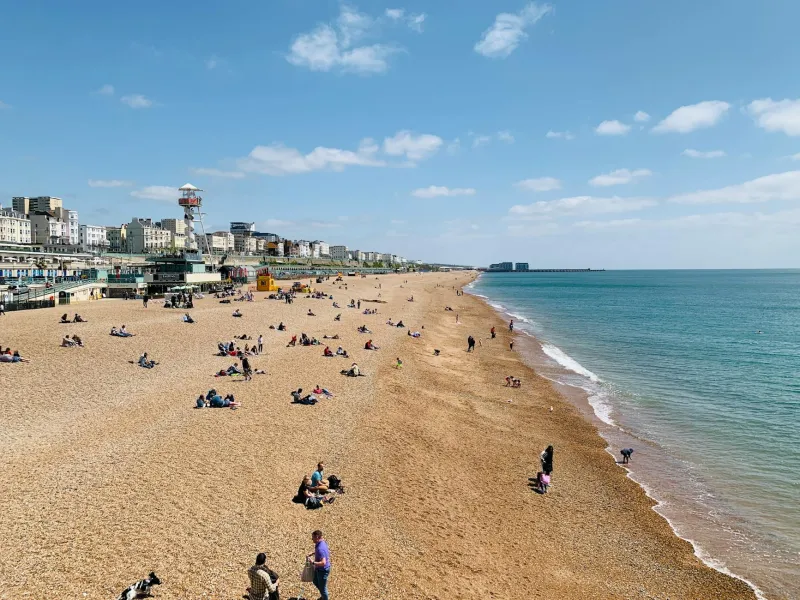
While the rest of Britain reaches for their morning coffee, a small army of Brighton residents is already waist-deep in the English Channel. The water temperature hovers around 8°C, the wind cuts through wetsuit and skin alike, and somewhere between the shock of the cold and the rhythm of the waves, something profound happens.
"I came to Brighton after my marriage fell apart," says Sarah Chen, a 42-year-old teacher who moved here from Manchester three years ago. "I thought I was just looking for a fresh start by the sea. I had no idea I'd end up finding myself in freezing water at dawn every Tuesday."
Sarah is part of the Brighton Cold Water Collective, one of dozens of informal wellness communities that have sprouted across the city like mushrooms after rain. Unlike the polished wellness retreats you'll find in the Cotswolds or the clinical spa experiences of London, Brighton's approach to healing is refreshingly unvarnished.
Beyond the Instagram Filter
Step into Lunar Wellness Studio, tucked above a vintage clothing shop in the North Laine, and you'll immediately notice what's missing: the usual wellness industry trappings. No crystals arranged just so for the camera, no motivational quotes in flowing script, no promises of instant transformation.
Instead, founder Maria Santos has created something that feels more like a community centre than a business. The yoga mats are well-worn, the tea is served in mismatched mugs, and the conversation before and after sessions ranges from housing costs to heartbreak with equal honesty.
"I spent years working in London's wellness scene," Maria explains, settling into a battered armchair that looks like it came from someone's grandmother's house. "Everything was about the aesthetic, the brand, the perfect Instagram moment. But healing isn't photogenic. It's messy and slow and often happens in conversation over terrible tea."
The Therapy Revolutionaries
Brighton's wellness revolution extends far beyond exercise and meditation. The city has become a magnet for therapeutic practitioners who are reimagining what mental health support can look like. Dr. James Whitfield runs walk-and-talk therapy sessions along the seafront, believing that movement and fresh air can unlock conversations that traditional therapy rooms sometimes stifle.
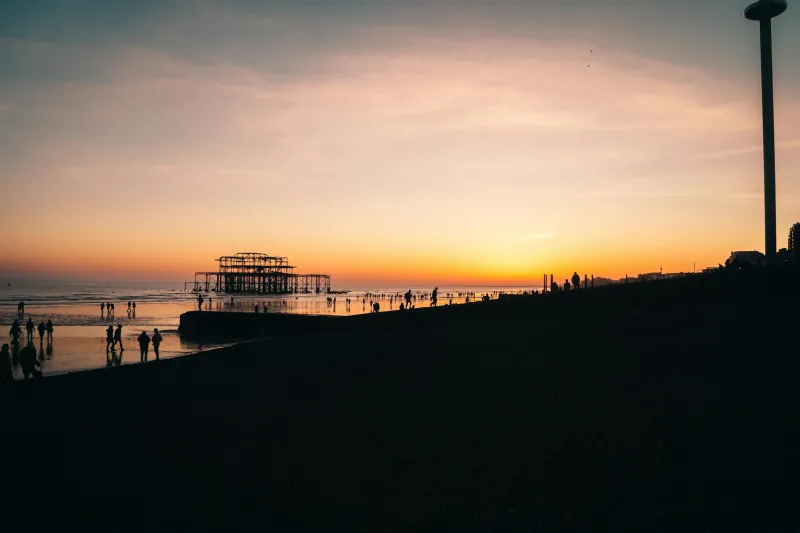
"There's something about walking side by side rather than sitting face to face that changes the dynamic," he says as we stroll past the burnt remains of the West Pier. "People open up differently when they're not trapped in a chair, when they can look at the horizon instead of feeling scrutinised."
This isn't just alternative therapy for therapy's sake. The demand for Dr. Whitfield's sessions is so high that he's booked three months in advance, with clients travelling from across the South East specifically for this approach.
Community as Medicine
Perhaps the most striking aspect of Brighton's wellness scene is how it's built on genuine community rather than commercial transactions. The Healing Circle, which meets monthly in a community centre near Preston Park, operates on a pay-what-you-can basis. Participants share everything from meditation techniques learned in Tibetan monasteries to anxiety management strategies developed in NHS therapy rooms.
"We're not trying to replace professional mental health services," clarifies facilitator Emma Rodriguez. "We're creating the support network that used to exist naturally in communities before we all became so isolated. Sometimes the most healing thing is just knowing you're not alone in your struggles."
The Science of Sea Air
There's growing scientific backing for what Brighton's wellness pioneers have intuited. Recent studies show that negative ions generated by crashing waves can increase serotonin levels, while the rhythmic sound of the sea activates the parasympathetic nervous system, promoting rest and repair.
Dr. Rachel Thompson, a neuroscientist at Sussex University who studies the relationship between environment and mental health, isn't surprised by Brighton's emergence as a wellness hub. "Coastal environments offer unique psychological benefits," she explains. "The combination of natural beauty, negative ions, and the psychological symbolism of the sea as a place of renewal creates ideal conditions for healing."
The Anti-Wellness Wellness Movement
What makes Brighton's approach so compelling is its rejection of wellness industry polish. At the Saturday morning beach yoga sessions led by instructor Tom Bradley, you're as likely to hear swearing as Sanskrit. When someone falls out of a pose, the response is laughter rather than zen-like serenity.
"Real wellness isn't about perfection," Tom says, adjusting someone's warrior pose while seagulls squawk overhead. "It's about showing up authentically, even when you're having a shit day, even when your downward dog looks more like a confused seal."
The Ripple Effect
As word spreads about Brighton's unique approach to wellbeing, the city is attracting visitors from across Britain who are hungry for something more substantial than a weekend spa break. Hotels report increasing numbers of guests booking extended stays specifically to participate in the city's wellness communities.
"We're seeing people come for a week or even a month," says Lisa Park, manager of a boutique hotel near the seafront. "They're not here for sightseeing. They're here for healing, for community, for a different way of being."
This influx is changing Brighton itself, creating a feedback loop where the city's reputation for authentic wellness attracts more practitioners and innovators, further cementing its position as Britain's most honest laboratory for human flourishing.
Beyond the Pier, Beyond the Hype
As the sun sets over the English Channel, painting the sky in shades of pink and gold, the evening cold-water swimmers gather for their daily ritual. There are no cameras, no social media posts, no wellness influencers documenting their transformation. Just people, water, and the simple radical act of choosing to heal together.
In a world increasingly dominated by digital wellness solutions and commercialised self-care, Brighton offers something rare: a place where healing happens in real time, in real community, with all the beautiful messiness that genuine transformation requires. It's not perfect, it's not always comfortable, but it's undeniably real – and perhaps that's exactly what Britain's relationship with rest and restoration has been missing all along.