The Great Escape to the Coast
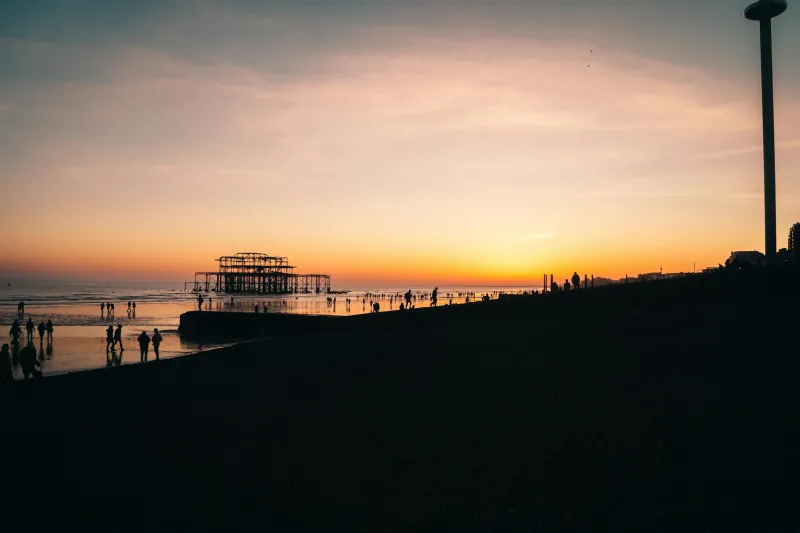
There's something magical about the moment when the train pulls into Brighton station and you catch your first glimpse of the sea. For Sarah Mitchell, that moment came three years ago when she was still wearing pinstripe suits and calculating derivatives for a major London bank. Today, her hands are clay-stained, her studio overlooks the West Pier, and she's never been happier.
"I used to think success meant climbing the corporate ladder," Sarah tells me as she shapes a delicate bowl on her potter's wheel. "But Brighton taught me that success is actually about becoming who you're meant to be."
Sarah's story isn't unique in this city. Walk down any street in the North Laine or Kemptown, and you'll encounter countless tales of transformation. Brighton has earned its reputation as Britain's capital of reinvention, a place where conventional career paths come to die beautiful deaths, replaced by lives lived on one's own terms.
The Magnetic Pull of Change
What is it about Brighton that calls to those seeking second acts? The answer lies in a perfect storm of geography, culture, and community spirit that has been brewing for centuries.
"Brighton has always been a place of escape," explains Dr. James Hobson, a cultural historian at the University of Sussex. "From the Prince Regent's decadent parties to the mods and rockers of the 1960s, this city has consistently attracted those who don't quite fit the mould elsewhere."
The proximity to London plays a crucial role. Close enough for weekend visits from concerned relatives, far enough to feel genuinely liberated from the capital's crushing expectations. The sea acts as both barrier and balm – a natural boundary that seems to wash away old identities with each tide.
Stories from the Shore
Take Marcus Williams, who spent fifteen years as a secondary school headteacher in Birmingham before discovering his true calling as Brighton's most celebrated drag workshop facilitator. His monthly sessions at a community centre near the seafront attract everyone from shy teenagers to confident pensioners, all united in their desire to explore different facets of themselves.
"In Birmingham, I was Mr Williams the headmaster," Marcus says, adjusting his wig in the mirror. "Here, I'm Maxine Fabulous, and somehow that feels more honest than I've ever been."
Or consider the story of Elena Vasquez, who left her job as a corporate lawyer to open a small bookshop specialising in radical feminist literature. Her shop, tucked between a vintage clothing store and a vegan café in the North Laine, has become an unofficial meeting place for Brighton's activist community.
"London rewards conformity," Elena reflects. "Brighton rewards authenticity. The difference is everything."
The Architecture of Acceptance
Brighton's physical landscape seems designed for reinvention. The narrow streets of the Lanes encourage chance encounters and serendipitous discoveries. The seafront provides endless space for contemplation and the kind of long walks that lead to life-changing realisations. Even the city's famous piers – one thriving, one beautifully ruined – seem to symbolise the possibility of both preservation and transformation.
The creative infrastructure supports this culture of change. Affordable studio spaces, co-working environments, and a network of galleries and performance venues provide the practical foundation for career pivots. More importantly, there's an established community of others who've made similar leaps, creating a support system that's both practical and emotional.
Beyond the Individual Story
But Brighton's appeal as a reinvention destination goes deeper than individual comfort. The city has developed an economy that thrives on creativity and non-conformity. Local businesses actively seek out the kind of innovative thinking that comes from people who've had the courage to start over.
"We specifically look for employees who've taken risks," says Tom Bradley, who runs a successful digital marketing agency in Hove. "Someone who's left a stable job to pursue their passion usually brings a level of creativity and determination that you can't teach."
This economic ecosystem creates a virtuous cycle. The more Brighton welcomes reinvention, the more it benefits from the energy and innovation that career-changers bring. In turn, this success makes the city even more attractive to the next wave of life-switchers.
The Ripple Effect
The impact extends beyond individual transformation. Brighton's culture of acceptance has created ripple effects throughout British society. Ideas that start in Brighton's creative communities often find their way to London boardrooms and Manchester art galleries. The city serves as a testing ground for new ways of living and working that eventually influence the broader cultural conversation.
"Brighton doesn't just change people," observes Sarah, now three years into her pottery career. "It changes how Britain thinks about what's possible."
The Future of Fresh Starts
As remote work becomes increasingly common and traditional career paths continue to fragment, Brighton's model of reinvention feels more relevant than ever. The city offers a template for how communities can support and benefit from human transformation.
The train from London still arrives several times each hour, carrying its cargo of dreamers, escapees, and soon-to-be reinvented souls. They come seeking salt air and second chances, and Brighton, in its infinite generosity, provides both in abundance.
In a world that often feels rigid and unforgiving, Brighton remains a beacon of possibility – proof that it's never too late to become who you were always meant to be.