The Last Stand
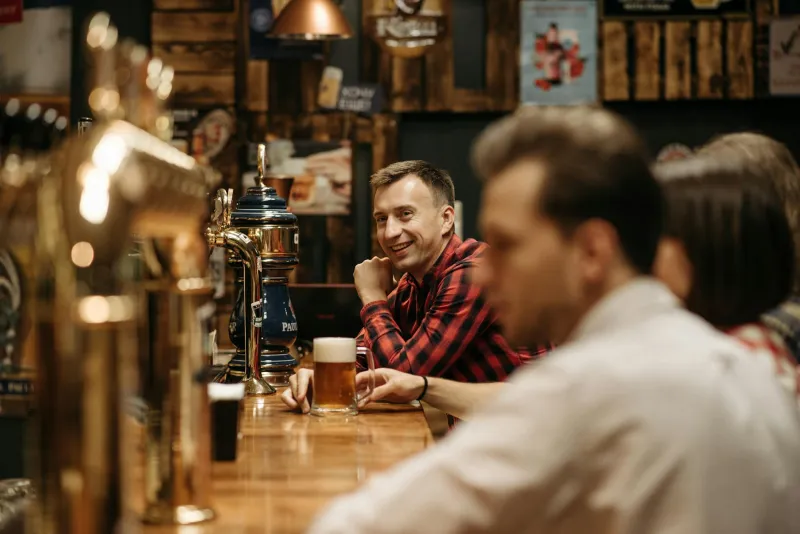
Dave Morrison pulls his first pint of the day at 11am sharp, the familiar ritual unchanged despite everything that's tried to kill the British pub over the past decade. Rising rents, changing drinking habits, a global pandemic, the cost of living crisis – Dave has weathered them all from behind the bar of The Shepherd's Rest, a Victorian corner pub in Hanover that's been serving locals for 150 years.
"They keep saying the pub's finished," Dave grins, polishing glasses with the practiced efficiency of someone who's been doing this for thirty years. "But they said that about vinyl records too, didn't they? Sometimes the old ways are the best ways."
Dave is one of Brighton's unsung heroes – the independent pub landlords and landladies who are keeping Britain's greatest social institution alive through sheer determination and creative thinking. While national chains close locations and convert buildings to flats, these local champions are proving that community pubs can not only survive but thrive.
More Than Just Beer
The secret, according to landlady Sue Chen at The Grafton Arms in Kemp Town, is understanding that modern pubs need to be community centres, not just drinking establishments. "We're the village green in an urban setting," Sue explains, gesturing to the notice board covered with flat-share ads, local band posters, and community event flyers. "People come here for connection as much as alcohol."
Sue's approach typifies the creative reinvention happening across Brighton's independent pub scene. Monday nights feature a community choir that's grown from five nervous singers to forty confident performers. Tuesday brings a writers' group that's helped several members publish their first novels. Weekends see everything from vinyl listening parties to board game tournaments, all designed to give locals reasons to visit beyond traditional drinking hours.
"The old model was simple – open at eleven, serve beer, close at eleven," Sue reflects. "Now we're open from breakfast serving coffee, we host events seven days a week, and we close whenever the last conversation finishes. It's more work, but it's more rewarding too."
The Regulars' Republic
At The Duke of Wellington, tucked away in a residential street that most tourists never find, landlord Tony Richards has cultivated something increasingly rare in modern Britain – a genuine local. The pub's regulars aren't just customers; they're stakeholders in a micro-community that operates by its own unwritten rules.
"Everyone knows everyone here," explains Margaret, a retired teacher who's been coming to The Duke three nights a week for fifteen years. "When someone's going through a rough patch, we rally round. When there's something to celebrate, we all celebrate. Tony just happens to be the one who pulls the pints."
This community aspect has proved crucial to surviving recent challenges. When lockdowns threatened to close pubs permanently, The Duke's regulars organised takeaway services, crowdfunded improvements, and even volunteered for maintenance work. "They weren't just saving a pub," Tony observes. "They were saving their community centre."
The loyalty runs both ways. Tony knows his regulars' drink preferences, remembers their birthdays, and offers informal counselling during difficult times. When Margaret's husband died, the pub became her lifeline to social connection. When young Jack lost his job, Tony offered casual bar work until something permanent came up.
Innovation Within Tradition
Brighton's surviving independent pubs share certain characteristics: they've embraced change without losing their essential character. At The Evening Star, one of the city's most beloved locals, landlady Anna Phillips has introduced craft beer tastings, acoustic music sessions, and even silent discos, but the pub still feels authentically Victorian.
"You can't just preserve pubs like museums," Anna argues. "They need to evolve with their communities. But evolution doesn't mean abandoning everything that made them special in the first place."
This balance is delicate. Too little change and pubs become irrelevant to modern life. Too much and they lose the timeless qualities that make them refuges from an increasingly fast-paced world. Brighton's best pub landlords have mastered this balance, creating spaces that feel both contemporary and eternal.
The food revolution has been particularly important. Where pub grub once meant reheated pies and chips, today's independents serve everything from vegan Sunday roasts to authentic Thai curries. But they've maintained pub-appropriate pricing and atmosphere, avoiding the gastro-pub pretensions that can alienate traditional customers.
Against the Odds
The challenges facing independent pubs are real and relentless. Commercial rents have soared while beer sales have declined. Energy costs have tripled. Staff are increasingly difficult to find and retain. Local councils impose ever-stricter licensing conditions while developers circle, waiting for businesses to fail so buildings can be converted to flats.
"Every month is a battle," admits Dave from The Shepherd's Rest. "You're constantly juggling costs, trying to attract new customers while keeping old ones happy, dealing with regulations, managing staff. Some days I wonder why I do it."
But then he gestures to the lunchtime crowd – office workers grabbing quick meals, pensioners enjoying slow pints and conversation, students planning evening activities over coffee. "Then I see what this place means to people, and I remember why it matters."
The pandemic nearly broke many of Brighton's independent pubs, but it also revealed their importance to community wellbeing. During lockdowns, people missed their locals more than restaurants, more than shops, more than most entertainment venues. The pub represented something essential that couldn't be replicated online or at home.
The Next Generation
Encouragingly, young entrepreneurs are entering Brighton's pub scene, bringing fresh energy while respecting established traditions. At The Railway Bell, new landlords James and Sarah have introduced specialty coffee, weekend brunch, and evening food service while maintaining the pub's role as a local meeting place.
"We're not trying to reinvent the pub," Sarah explains. "We're trying to make it relevant for our generation while keeping what older generations value. It's about addition, not replacement."
Their approach seems to be working. The Railway Bell attracts young professionals during weekday lunches, families on weekend afternoons, and traditional drinkers in the evenings. Different demographics coexist comfortably, united by their appreciation for a well-run local.
Why It Matters
Brighton's independent pubs matter because they represent something increasingly rare in modern Britain – genuine community spaces that aren't commercial enterprises first and social venues second. They're places where conversation happens naturally, where loneliness can be temporarily forgotten, where the rhythm of life slows to a more human pace.
"Pubs are democracy in action," argues Tony from The Duke of Wellington. "Everyone's equal at the bar. Doesn't matter what you do for work, how much money you have, where you went to school. You order your drink, you join the conversation, you're part of the community."
This democratic function becomes more important as British society becomes increasingly stratified by income, education, and social media algorithms. Pubs remain spaces where different people encounter each other naturally, where communities form organically rather than artificially.
As evening approaches and Brighton's pubs prepare for their busiest hours, the landlords and landladies who've kept these institutions alive deserve recognition. They're not just serving drinks; they're maintaining spaces essential to community wellbeing, cultural continuity, and human connection.
Next time you're in Brighton, skip the chain restaurants and tourist traps. Find a proper local, order a pint, and raise it to the unsung heroes keeping Britain's greatest social institution alive. They're fighting the good fight, one conversation at a time.