Pedalling Through Paradise: The Cyclist's Guide to Brighton's Hidden Heart
There's a Brighton that exists between the tourist trails and the well-worn pavements of the city centre — a network of quiet streets, hidden gardens, and coastal paths that reveal themselves only to those willing to slow down and explore on two wheels. While crowds funnel down West Street towards the pier, Brighton's cycling community has been quietly mapping an entirely different city, one lane at a time.
Beyond the Seafront Circus
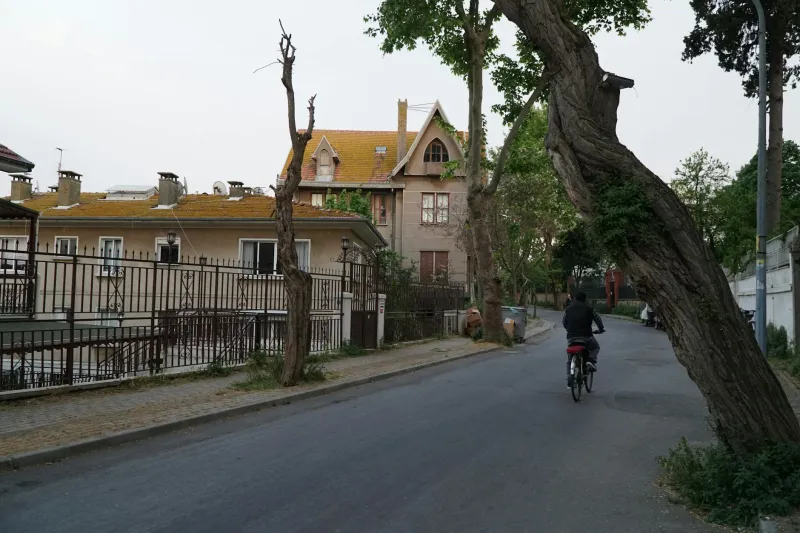
Forget everything you think you know about Brighton's geography. The real discovery begins when you turn your back on the seafront's carnival atmosphere and pedal north into Hanover, where Victorian terraces cascade down hillsides like frozen waterfalls. Here, community gardens peek through railings, and corner shops still know their customers by name.
"People think Brighton is just the beach and the Lanes," says Sarah Chen, who runs weekend cycling tours for newcomers. "But get on a bike and suddenly you're discovering streets that feel like village squares, finding viewpoints that make you question why anyone bothers with the i360."
The route through Hanover connects seamlessly to the network of cycle paths threading through Preston Park and beyond. It's here that Brighton's cycling culture truly reveals its secret: this isn't just transport, it's archaeology. Every pedal stroke unearths another layer of the city's character.
 Photo: Preston Park, via www.actaland.com
The Forgotten East
While Brighton Marina draws visitors with its promise of chain restaurants and retail therapy, the cycling community has long known that the real treasure lies in the forgotten streets that huddle between Kemp Town and Rottingdean. This is where Brighton's fishing heritage still whispers through narrow alleys and weathered cottages that somehow survived the developers' appetite.
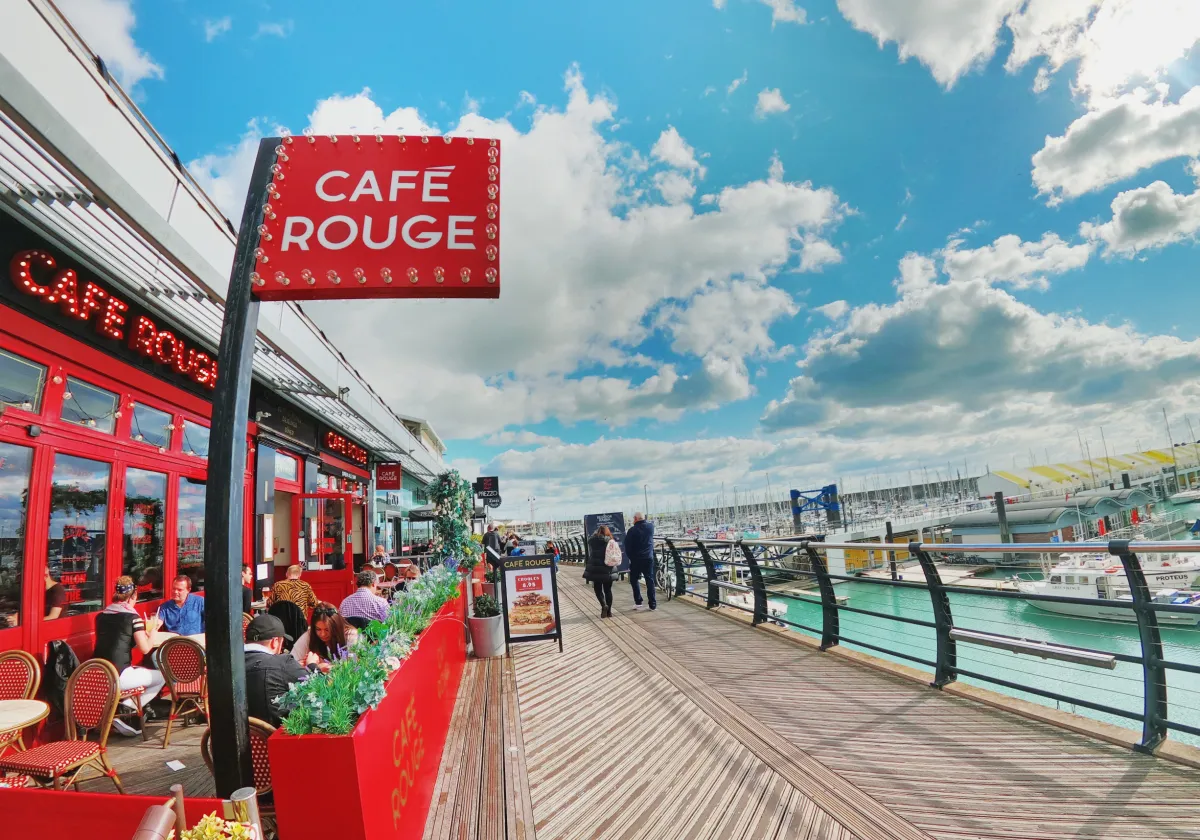 Photo: Brighton Marina, via www.brightonmarina.co.uk
The cycle route that hugs the undercliff between Brighton and Saltdean offers something unique in British coastal cycling: a sense of genuine remoteness just minutes from a major city. Here, chalk cliffs provide shelter from both wind and the modern world, while the steady rhythm of waves below creates a soundtrack that no Spotify playlist could match.
Local cyclist Marcus Webb discovered this route during lockdown and hasn't looked back: "I'd lived in Brighton for fifteen years before I found these paths. It's like having the entire Sussex coast to yourself, but you can still be home for dinner."
Green Corridors and Secret Spaces
Brighton's cycling revolution isn't just about discovering forgotten corners — it's about connecting them through a web of green corridors that most residents don't even know exist. The old railway path that runs from Preston Park to the South Downs creates a cycling highway that bypasses traffic entirely, delivering riders into landscapes that feel distinctly un-urban.
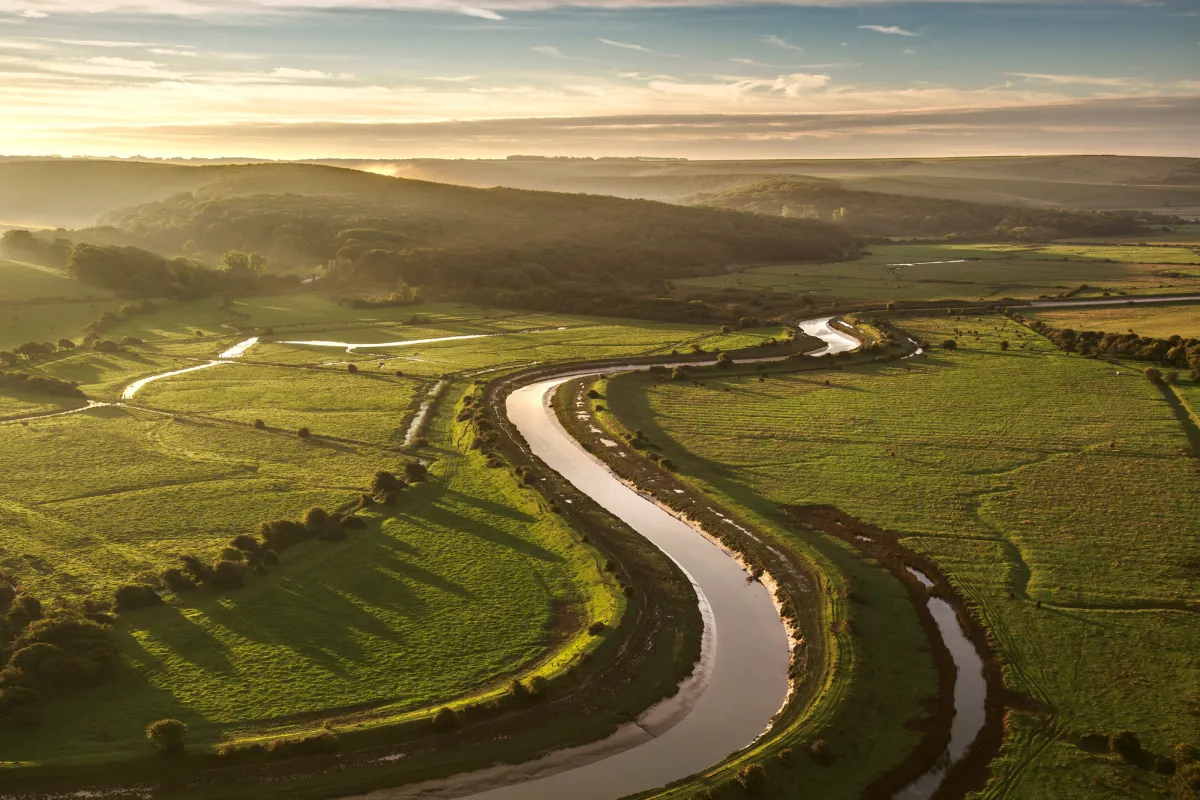 Photo: South Downs, via www.southdowns.gov.uk
These routes challenge the assumption that Brighton is too hilly, too crowded, or too chaotic for cycling. Instead, they reveal a city designed for exploration at bicycle pace — where stopping to investigate a community orchard or following an intriguing side path becomes part of the journey rather than a distraction from it.
The cycling community speaks of "slow streets" — residential roads where cars are guests and bicycles belong. Places like the network around Fiveways, where cycling infrastructure weaves between local businesses and community centres, creating a neighbourhood that feels more like a village than part of a bustling seaside city.
The Politics of Pedalling
But Brighton's cycling culture isn't just about leisure rides and scenic routes. There's a quietly revolutionary edge to choosing two wheels over four in a city where parking is premium and air quality is precious. The growing network of cargo bikes outside school gates, the increasing number of businesses offering cycle parking over car spaces, the community bike workshops teaching repair skills — all signal a fundamental shift in how Brighton thinks about urban mobility.
"Every bike on the road is a small act of rebellion," argues cycling advocate Emma Thompson. "We're reclaiming streets, reducing pollution, and proving that you don't need a car to live well in Brighton. The routes we've mapped aren't just about getting from A to B — they're about reimagining what this city could be."
The cycling community's detailed knowledge of Brighton's topography has become a form of local expertise. They know which streets offer the gentlest gradients, where the prevailing winds provide assistance rather than resistance, and how to navigate the city's notorious one-way systems without breaking either traffic laws or momentum.
The Dawn Ride Revolution
Perhaps nowhere is Brighton's cycling culture more distinctive than in its embrace of early morning rides. While the city sleeps, a dedicated community of dawn cyclists claims the empty streets, experiencing Brighton in its most peaceful state. These aren't fitness fanatics pursuing personal bests — they're urban explorers who've discovered that the hour before the city wakes offers cycling conditions that transform familiar routes into entirely new experiences.
The seafront at 6am belongs to cyclists, dog walkers, and the occasional swimmer. Without the usual chaos of tourists and traffic, the scale and beauty of Brighton's coastal setting becomes apparent in ways that daylight crowds obscure.
Mapping Tomorrow's Brighton
As Brighton continues to evolve, its cycling community serves as both witness and catalyst for change. Their detailed knowledge of the city's hidden geography, their commitment to sustainable transport, and their quiet advocacy for people-friendly streets all contribute to a vision of Brighton that prioritises community over cars, exploration over efficiency.
The routes they've pioneered — from the coastal paths that connect Brighton to its neighbouring villages, to the urban trails that weave between parks and neighbourhoods — represent more than just cycling infrastructure. They're blueprints for a different kind of city, one where the journey matters as much as the destination, and where slowing down reveals riches that speed obscures.
In a Brighton increasingly defined by rapid development and tourist pressure, the cycling community's patient exploration of back streets and hidden corners offers something precious: proof that there's still a secret city waiting to be discovered, one pedal stroke at a time.