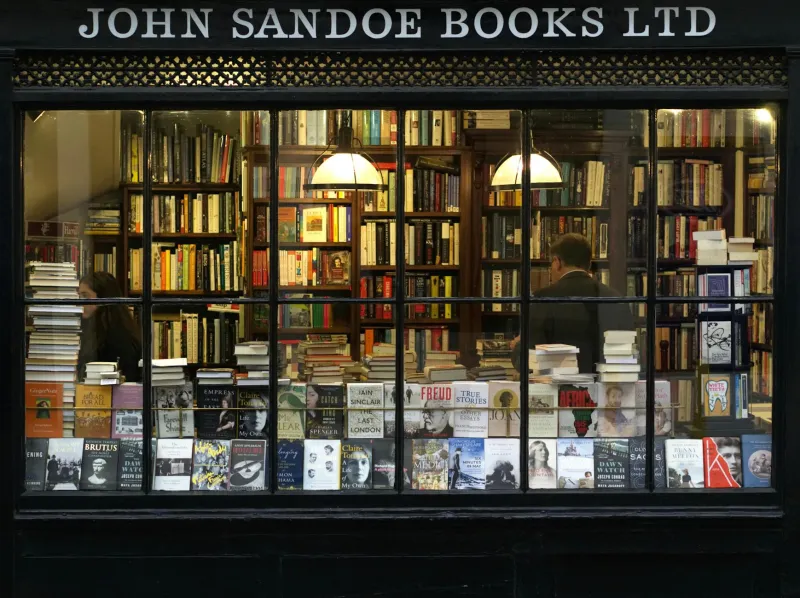
Pages and Places: The Bookshop Revolution Quietly Transforming Brighton's Soul
Step into any of Brighton's independent bookshops on a Thursday evening, and you'll witness something extraordinary: spaces that should be shuttered after retail hours buzzing with poetry readings, book launches, and heated literary debates. While chain bookstores across Britain board up their windows, Brighton's literary rebels are rewriting the rules of what a bookshop can be.
The Quiet Revolution
Forget everything you think you know about independent bookshops struggling against Amazon's digital tide. In Brighton, these literary havens aren't just surviving — they're evolving into something unprecedented. Part community centre, part cultural salon, part activist headquarters, they've become the unlikely nerve centres of our city's creative consciousness.
Take Ravenous Reader, tucked between the vintage clothing boutiques of Kensington Gardens. Owner Sarah Martinez didn't set out to become a cultural curator when she opened five years ago. "I thought I'd sell books and maybe host the odd author event," she laughs, gesturing to the packed calendar on her wall. "Now we're running writing workshops for refugees, hosting climate activism meetings, and somehow became the unofficial headquarters for the local zine community."
This transformation isn't accidental. Brighton's bookshops have tapped into something chain stores never could: the deep human need for genuine connection in an increasingly fragmented world.
Beyond the Bestsellers
While Waterstones stocks whatever's trending on TikTok, Brighton's independents curate experiences. At Queer Lit Collective in the North Laine, co-owner Jamie Chen has created Britain's most comprehensive LGBTQ+ literary space. "We're not just selling books," Chen explains. "We're preserving stories that mainstream publishing often overlooks and creating space for voices that need amplifying."
The shop's monthly "Queer Voices" nights regularly pack fifty people into a space designed for twenty, with audiences spilling onto the pavement outside. These aren't just readings — they're acts of cultural defiance, carving out space for stories that matter in a world obsessed with algorithmic recommendations.
Down in Hove, The Midnight Pages specialises in crime fiction but has become an unlikely community anchor. Owner Robert Davies started hosting "Crime and Coffee" mornings after noticing elderly customers lingering longer each visit. "Books became the excuse," he admits. "But really, people were seeking connection. Now we've got regulars who come for the conversation as much as the latest Ian Rankin."
The Economics of Idealism
Running an independent bookshop in 2024 requires equal parts passion and pragmatism. Rent in Brighton's desirable locations can consume 40% of revenue, while competing with online discounts means razor-thin margins on book sales. So how do these literary dreamers survive?
"Diversification saved us," explains Martinez. "Books bring people in, but events, workshops, and our small café keep the lights on." Her shop now derives nearly half its income from non-book activities — everything from creative writing courses to corporate team-building sessions built around storytelling.
The pandemic paradoxically strengthened many of these businesses. When forced to pivot online, Brighton's bookshops discovered their true value proposition wasn't just selling books — it was curating literary experiences. Virtual book clubs morphed into hybrid events, online author talks attracted international audiences, and click-and-collect services revealed just how fiercely loyal Brighton's book lovers truly are.
The Cultural Ripple Effect
Brighton's bookshops have become incubators for the city's broader creative scene. Local authors test new material at open mic nights, artists collaborate on literary-inspired exhibitions, and musicians find gigs through bookshop bulletin boards. It's a creative ecosystem that generates far more cultural value than any profit-and-loss statement could capture.
"We've published twelve local authors in the past two years," reveals Chen from Queer Lit Collective. "Started as a favour for a regular customer, now we're a legitimate small press. That's the thing about independent bookshops — we can pivot, experiment, take risks that corporate chains never could."
This agility extends to social activism. When Brighton's libraries faced budget cuts, the bookshops mobilised. When local venues struggled during lockdown, they hosted fundraising events. They've become cultural first responders, stepping in wherever Brighton's creative community needs support.
The Future of Literary Community
As Britain's high streets face an uncertain future, Brighton's bookshops offer a compelling alternative model. They've proven that retail spaces can thrive by becoming something more than transactional — they can anchor communities, nurture creativity, and preserve cultural memory.
"People ask if we worry about the future," muses Davies from The Midnight Pages. "But look around — young people still fall in love with books, still crave real conversation, still need places to belong. We're not just selling stories; we're helping people write their own."
In a city already famous for reinvention, Brighton's independent bookshops represent perhaps its most profound transformation yet: proving that in our digital age, the most revolutionary act might simply be creating space for human stories to flourish. Between their carefully curated shelves and well-worn reading chairs, they're quietly writing the next chapter of what community can look like.
And that, perhaps, is the most beautiful story of all.