The Text That Changes Everything
The message arrives at 3:47 PM on a Tuesday: "Tomorrow, 7:30. Bring wine. Address follows." No restaurant name, no menu, no postcode until twenty minutes before service. This is how you secure a table at one of Brighton's most coveted dining experiences — though calling it a 'table' rather misses the point.
Welcome to Brighton's invisible restaurant scene, where the city's most extraordinary meals happen in spaces that Google Maps will never find. While tourists queue for tables at seafront gastropubs, a parallel dining universe operates entirely on whispered recommendations and carefully guarded phone numbers.
"The moment you put yourself online, you lose something essential," explains Marcus Chen, who runs what might be Brighton's most exclusive dining experience from his converted Hanover garage. "The internet democratises everything, but some experiences are meant to be earned."
Marcus's operation — which locals simply call "The Garage" — serves just eight covers twice weekly. There's no website, no Instagram, no OpenTable booking system. Instead, diners are invited through a network that spreads like folklore through Brighton's creative community.
The Art of Invisible Hospitality
The phenomenon isn't unique to Marcus. Across Brighton, a constellation of micro-restaurants operates entirely below the radar. There's Sarah's wine bar in a Kemptown basement that serves natural wines alongside small plates to twenty people maximum. There's the Sunday lunch club that rotates between different artists' studios, where the host changes but the intimacy remains constant.
What unites them isn't just their secrecy — it's their deliberate rejection of contemporary dining culture's performative elements. No Instagram walls, no flash photography, often no phones at all.
"Modern restaurant culture has become about everything except the food," says Elena Vasquez, whose monthly pop-up dinner series happens in her Preston Park living room. "People spend more time photographing their meal than tasting it. We're trying to create the opposite experience."
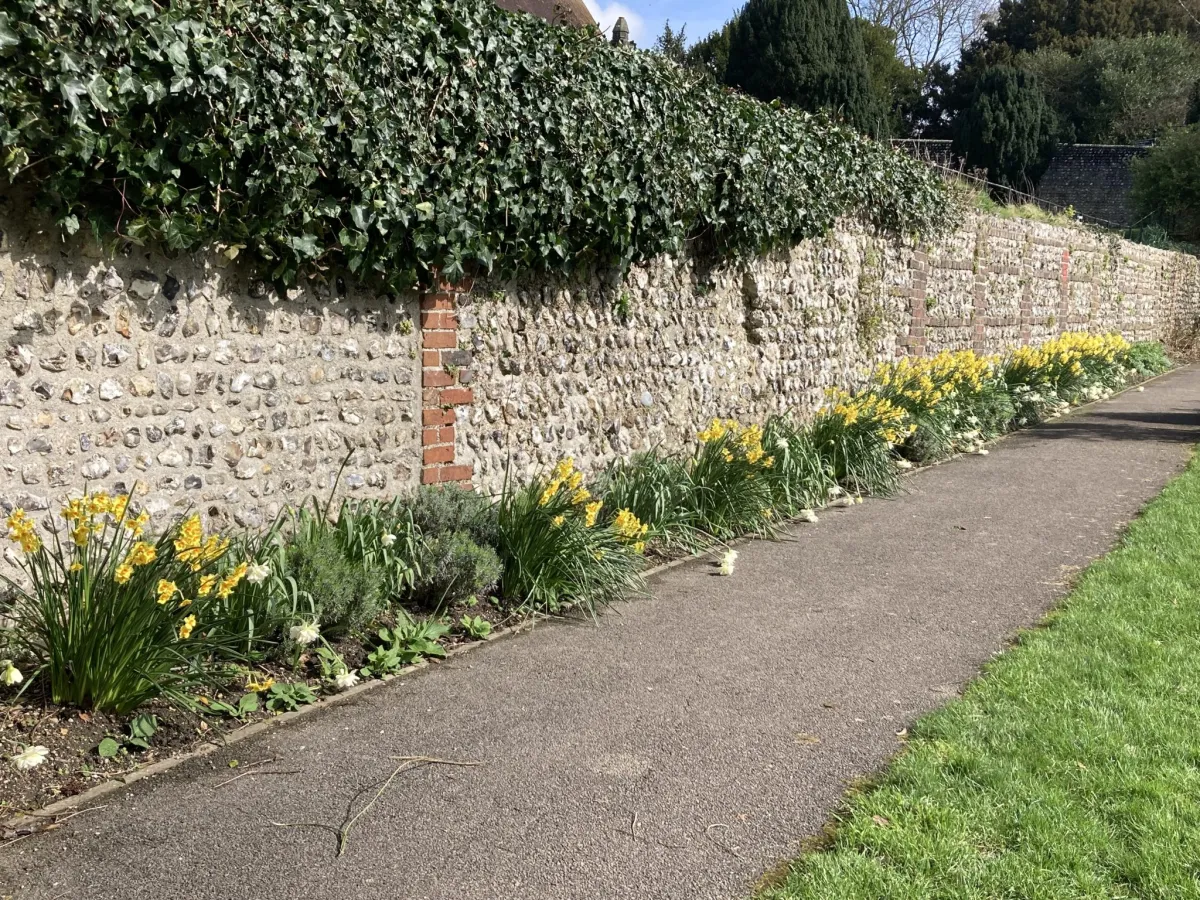 Photo: Preston Park, via www.friendsofprestonpark.org
Elena's dinners accommodate just twelve guests around her extended dining table. The menu changes based on what's exceptional at the market that morning, and booking requires a personal introduction from a previous guest. It's intentionally exclusive, but not in the traditional sense.
Why Brighton, Why Now?
"Brighton has always attracted people running from something," observes food writer and longtime Brighton resident James Morrison, who's managed to secure invitations to several underground venues. "Sometimes they're running from London rents, sometimes from corporate culture, sometimes from the entire idea of mainstream success."
This alternative dining scene represents a particular Brighton response to an increasingly commodified food culture. While London's secret restaurants often cater to wealthy thrill-seekers willing to pay premium prices for exclusivity, Brighton's hidden dining world operates on different principles entirely.
Most charge barely above cost price. The exclusivity isn't financial — it's social. You need to know someone, and that someone needs to trust you with the secret. It's a system that naturally filters for people who understand and respect the experience being offered.
The Keepers of Secrets
Tom Bradley stumbled into Brighton's underground dining scene three years ago through a chance conversation at a coffee shop. Now he's what you might call a connector — someone who helps worthy diners find their way to worthy experiences.
"It's not about gatekeeping," he insists, though his role inevitably involves exactly that. "It's about protecting something fragile. These spaces exist because they're small, personal, and uncommercial. Scale them up or publicise them widely, and they disappear."
The economics support his point. Most underground venues operate on margins that wouldn't sustain traditional restaurant overheads. They succeed precisely because they reject growth, marketing, and the entire apparatus of modern hospitality business.
The Future of Hidden Brighton
As Brighton's mainstream restaurant scene grows increasingly sophisticated and expensive, its underground alternative seems to be expanding too. New secret venues appear regularly, though their existence spreads only through the same whispered networks that sustain the established ones.
"There's something beautiful about experiences that can't be bought, only shared," reflects Marcus, as he prepares for another evening serving strangers who'll become friends around communal tables in his garage. "In a world where everything's available instantly online, we're creating something that takes time, trust, and genuine human connection."
The addresses remain secret, the phone numbers carefully guarded, the experiences impossible to Google. In a city built on openness and accessibility, Brighton's invisible restaurants represent something rarer: the deliberate creation of mystery, intimacy, and genuine surprise.
For those lucky enough to receive that cryptic text message, it's a reminder that some of life's best experiences still can't be ordered from an app — they can only be earned, one trusted introduction at a time.