The Alchemy of Audio
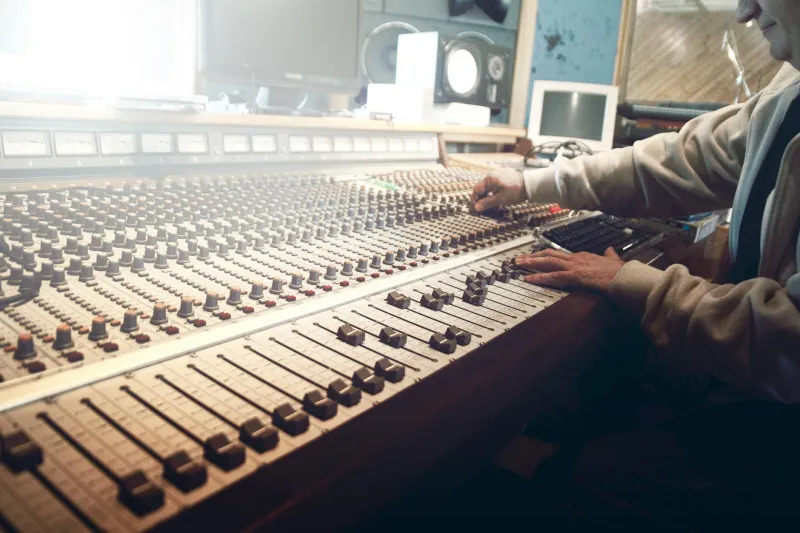
In a converted Victorian warehouse behind London Road, Jamie Chen adjusts a compressor with the precision of a surgeon. The band in the live room can't hear what she's doing, but in thirty seconds, their sound will transform from muddy to magical. Chen is one of Brighton's invisible musical architects—a sound engineer whose fingerprints are all over the city's emerging talent, yet whose name appears nowhere on the album covers.
"People think we just press buttons," Chen laughs, gesturing at the mixing desk that sprawls before her like a spacecraft control panel. "But we're translating emotions into frequencies, capturing lightning in digital bottles."
Brighton's music scene has always punched above its weight, from the days when Fatboy Slim ruled the beaches to today's crop of bedroom producers and indie darlings. But behind every breakthrough moment, every perfectly balanced festival mix, every late-night radio session that sounds like silk, there's a sound engineer making split-second decisions that can make or break an artist's career.
The Midnight Shift
At Resident Records' basement studio, the real work begins after most of Brighton has gone to bed. Tom Bradley, who's been engineering here for eight years, describes the peculiar intimacy of late-night sessions: "Artists are more vulnerable at 2am. The pretence drops away. That's when you capture the magic—but only if you've created the right sonic space for it to happen."
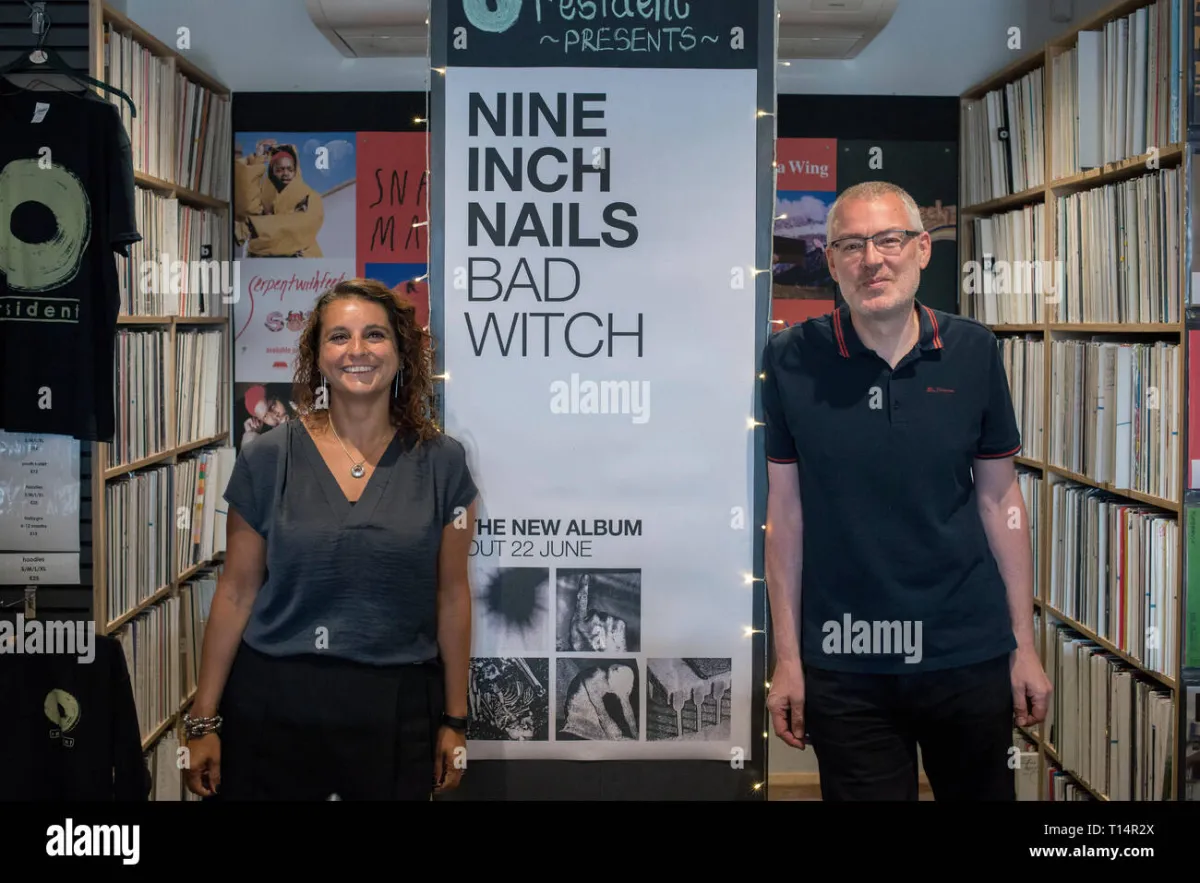 Photo: Resident Records, via c8.alamy.com
Bradley's approach mirrors Brighton itself: experimental but grounded, technical but soulful. He's worked with everyone from nervous teenagers recording their first demo to established acts seeking that elusive "Brighton sound"—a quality that's harder to define than to recognise.
"It's not about perfection," he explains, pulling up a rough mix on his monitors. "Brighton artists want character, texture, the sound of real rooms and real mistakes. My job is to enhance that authenticity, not sanitise it."
Beyond the Booth
The influence of Brighton's sound engineers extends far beyond recording studios. At The Old Market, resident engineer Sarah Hoffman has spent five years perfecting the art of live sound in a converted church with notoriously challenging acoustics.
 Photo: The Old Market, via photos.wikimapia.org
"Every venue has its own personality," Hoffman explains, running through her pre-show routine. "This place wants to ring like a cathedral, but we're asking it to handle everything from folk trios to electronic acts. It's about negotiation—between the space, the artist, and the audience."
Her mixing philosophy reflects Brighton's democratic spirit: every instrument deserves its moment, every voice should be heard clearly. It's a technical challenge that requires both scientific precision and artistic intuition.
The Community Radio Revolution
Across town at Brighton's community radio stations, a different breed of sound engineer is shaping the city's musical conversation. At Juice FM, volunteer engineer Marcus Webb juggles live broadcasts, pre-recorded shows, and emergency repairs with the enthusiasm of someone who genuinely believes in radio's power to build community.
"Commercial radio is about consistency," Webb notes, adjusting levels for the evening's jazz show. "Community radio is about character. We're not trying to sound like London—we're trying to sound like Brighton."
This philosophy extends to Webb's approach to training new volunteers. His weekend workshops have become legendary among local musicians, offering hands-on experience with professional equipment in an environment where mistakes are learning opportunities rather than career disasters.
The Digital Divide
Brighton's sound engineering community spans generations and technologies. While veterans like Chen and Bradley learned on analogue desks and tape machines, a new generation is emerging from bedroom studios armed with laptops and an intuitive understanding of digital workflows.
Mia Santos, 23, started engineering in her student digs and now runs sessions from a converted shipping container in the city's creative quarter. "The tools have democratised, but the fundamentals haven't changed," she argues. "You still need to understand how sound moves through space, how different frequencies interact, how to serve the song rather than showing off."
Santos represents Brighton's ability to blend innovation with tradition. Her setup might be cutting-edge, but her approach—collaborative, experimental, deeply respectful of the creative process—echoes the city's long-standing musical values.
The Ripple Effect
What makes Brighton's sound engineering community special isn't just technical skill—it's the way these professionals nurture the city's musical ecosystem. They mentor emerging artists, share knowledge freely, and maintain standards that attract talent from across the UK.
"We're not just making records," reflects Chen, as her current session wraps up. "We're documenting a moment in time, a feeling, a piece of Brighton's soul. That's not something you can automate or outsource—it requires human ears, human intuition, human care."
As Brighton continues to evolve as a musical destination, its sound engineers remain the steady heartbeat beneath the surface glamour. They're the reason a whispered vocal can fill a room, a basement gig can feel like a cathedral experience, and a rough demo can capture lightning in a bottle.
In a city that celebrates creativity in all its forms, perhaps it's time we turned up the volume on the voices behind the voices—the invisible hands on the faders who shape every note we hear.