Growing Together: How Brighton's Allotment Revolution Is Cultivating Community From Scratch
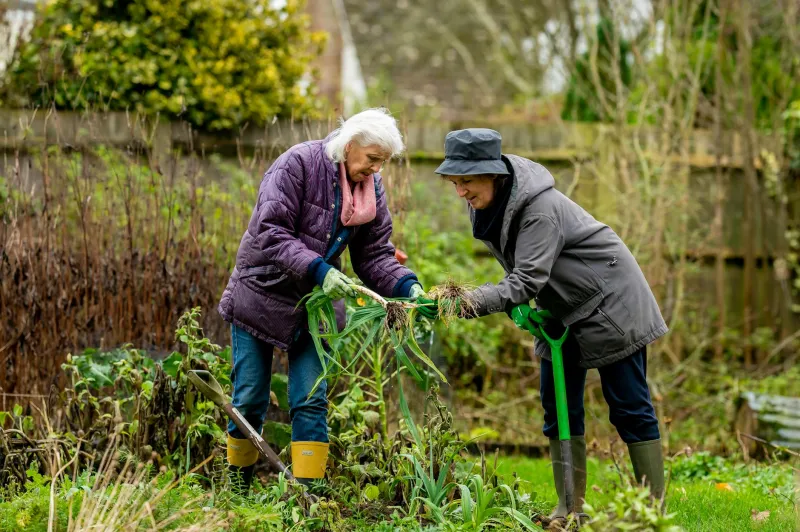
At 7am on a Saturday morning, while most of Brighton is still nursing hangovers or scrolling through phones in bed, Janet Williams is already knee-deep in compost at the Hollingdean Community Garden. Her hands are black with soil, her back aches from bending over seedlings, and she's never been happier.
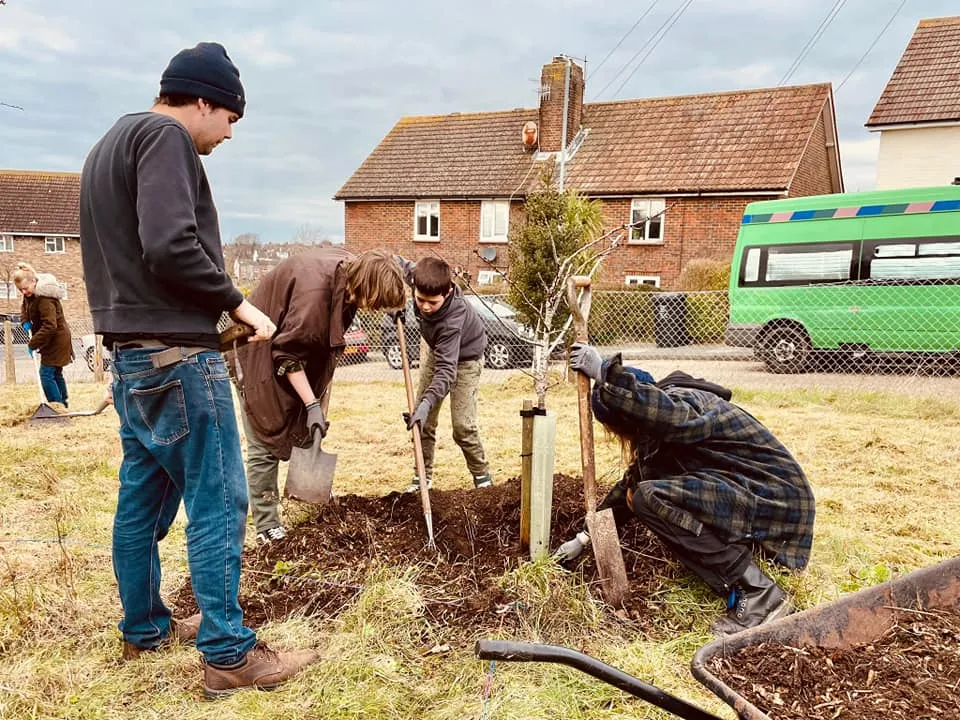 Photo: Hollingdean Community Garden, via growinghollingdean.org.uk
"Twenty years ago, I didn't know a courgette from a cucumber," she laughs, straightening up to survey the quarter-acre of transformed wasteland that she and her neighbours have coaxed into productivity. "Now I can't imagine living without this."
Janet's story is being repeated across Brighton in dozens of allotments, community growing projects, and guerrilla gardens that are quietly revolutionising how the city thinks about space, food, and belonging. In a place where housing costs have priced out entire generations and where community can feel as scarce as parking spaces, these patches of green are proving that the most radical act might be the simple decision to grow something together.
The Waiting Game
Try to get an allotment in Brighton and you'll quickly discover that patience is the first skill any urban gardener must cultivate. Waiting lists stretch to seven years for some sites, with demand so fierce that plots are passed down through families like heirlooms. The city's 23 official allotment sites contain just over 1,400 plots — a fraction of what's needed in a city where 40,000 people live in flats with no garden access.
"The waiting lists tell the real story of Brighton," argues Dr. Sarah Pemberton, who researches urban food systems at the University of Sussex. "They're not just about wanting to grow vegetables. They're about a deep hunger for connection — to the land, to seasonal rhythms, to each other."
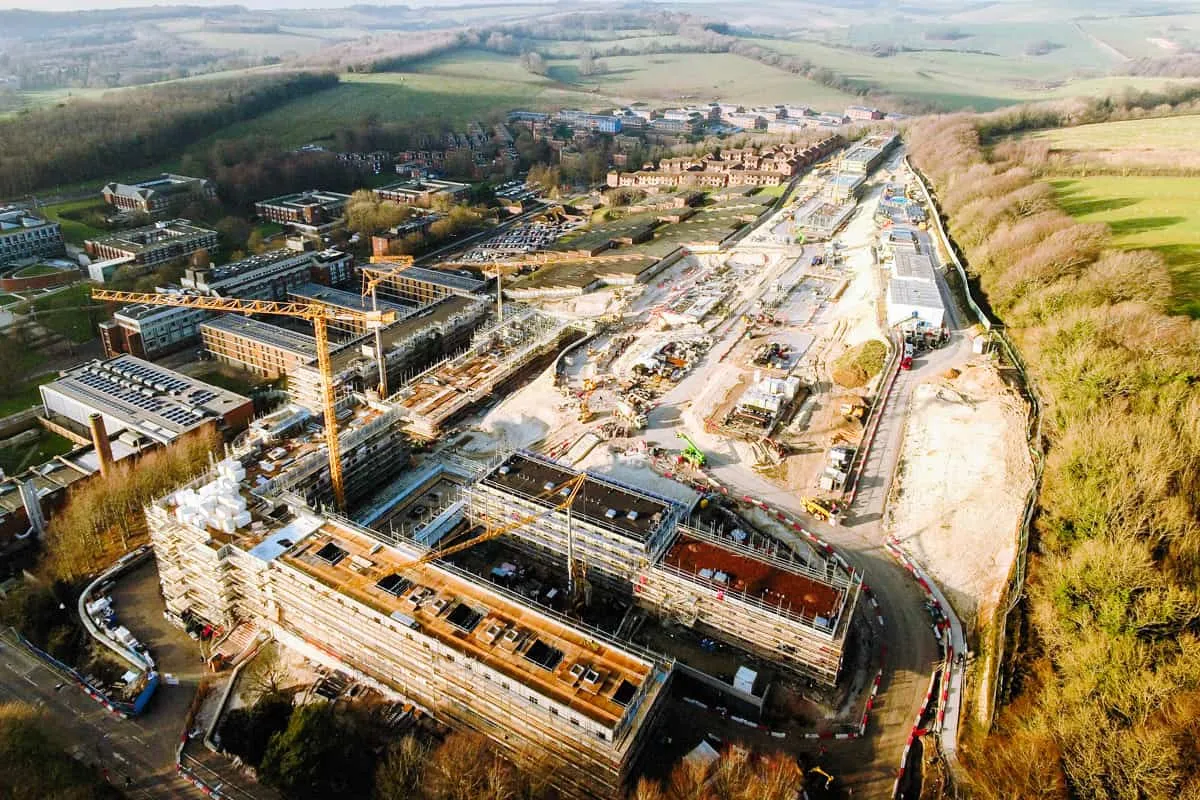 Photo: University of Sussex, via www.adenstar-group.co.uk
This scarcity has bred innovation. Community groups across the city have transformed neglected corners into productive growing spaces, often without waiting for official permission. The result is a network of gardens that reflects Brighton's diversity more accurately than any council planning document.
More Than Vegetables
At the Tarner Community Project in Moulsecoomb, what started as a simple vegetable garden has evolved into something approaching social infrastructure. Children from the neighbouring primary school learn about soil science alongside Bengali grandmothers sharing traditional growing techniques. Teenagers on community service orders work alongside retired engineers, and somehow, in the process of deciding where to plant the tomatoes, barriers that divide the rest of Brighton dissolve.
 Photo: Tarner Community Project, via www.tarner.org.uk
"We measure success differently here," explains project coordinator Marcus Thompson. "Yes, we grow food, but we also grow relationships. We've had people find jobs through connections made over the compost heap, children discover they love learning when it happens outdoors, elderly residents rediscover purpose they thought they'd lost."
The Tarner project exemplifies a trend visible across Brighton's growing movement: allotments and community gardens are becoming laboratories for a different kind of social organisation. Decisions are made collectively, resources are shared freely, and success is measured not just in kilograms of produce but in the strength of community bonds.
The Politics of Soil
There's nothing inherently political about growing carrots, but in a city where land is premium and inequality is growing, every community garden becomes a statement about priorities. Brighton's allotment movement has quietly become one of the city's most effective forms of social activism, creating commons where market forces would otherwise divide.
"When you're growing food together, you can't avoid talking about everything else," observes Lisa Chen, who helped establish the Moulsecoomb Forest Garden. "Food justice, environmental sustainability, community resilience — it all connects. You start with wanting fresh tomatoes and end up questioning the entire food system."
The Forest Garden project, tucked between council housing and busy roads, demonstrates this political dimension clearly. What was once a neglected patch of grass is now a food-producing ecosystem that supplies fresh vegetables to dozens of families while serving as an outdoor classroom for sustainable living techniques.
The project operates on principles that challenge conventional economics: everything is shared freely, decisions are made by consensus, and success is measured by community benefit rather than individual profit. It's a small-scale experiment in alternative values that feels increasingly relevant as traditional community structures strain under economic pressure.
Growing Against the Odds
Brighton's density creates unique challenges for urban growing. Space is scarce, soil is often contaminated from industrial use, and the coastal climate can be harsh. But these constraints have fostered remarkable innovation. Vertical growing systems maximise productivity in minimal space, community composting schemes turn the city's organic waste into black gold, and knowledge-sharing networks ensure that hard-won expertise spreads quickly.
At the Hollingbury Park allotments, plot-holder David Martinez has become something of a local legend for his ability to grow Mediterranean vegetables in Brighton's challenging conditions. His secret isn't just technical expertise — it's community.
"I learned more from chatting with other plot-holders than I ever did from gardening books," he explains. "Someone always knows how to deal with whatever problem you're facing. The collective knowledge here is extraordinary."
This knowledge-sharing extends beyond individual sites. Brighton's growing community has developed informal networks that span the city, sharing seeds, tools, expertise, and labour. WhatsApp groups coordinate bulk purchases of compost, Facebook pages advertise surplus produce, and community events celebrate harvests while planning for future seasons.
Seeds of Change
As climate change makes local food production increasingly urgent and as housing pressures intensify community fragmentation, Brighton's allotment movement offers something precious: proof that another way of organising urban life is possible. These gardens demonstrate that scarcity can foster sharing rather than competition, that diversity strengthens rather than weakens community, and that the simple act of growing food together can rebuild social bonds that modern life tends to erode.
"Every seed we plant is an act of faith in the future," reflects Janet Williams as she locks the gate of the Hollingdean Community Garden after another morning's work. "Not just faith that the vegetables will grow, but faith that community can grow too, if you tend it properly."
The waiting lists for Brighton's allotments continue to grow, but so does the network of community gardens, guerrilla growing projects, and informal food-sharing schemes that these patient gardeners have cultivated. They're not just growing vegetables — they're growing a different vision of what Brighton could be, one plot at a time.
In a city often defined by what it lacks — affordable housing, available parking, quiet streets — Brighton's growing movement insists on abundance. Not the artificial abundance of consumer culture, but the real abundance that comes from community, cooperation, and the patient work of tending something together until it flourishes.