The £50 Revolution
Sarah Chen holds up a delicate ceramic bowl, its surface glazed in colours that shift from ocean blue to sunset orange. In a London gallery, this piece might command £300. At Brighton's newest artist collective, The People's Canvas, it carries a £45 price tag – deliberately priced for someone earning minimum wage to afford.
"Art shouldn't be a luxury good," Chen states firmly, arranging her pottery alongside paintings, prints, and textiles all priced under £100. "When only wealthy collectors can afford original art, we lose something essential about what creativity means to society."
Chen is part of a growing movement of Brighton artists who are deliberately rejecting the traditional art market's pricing structures. Instead of chasing collectors with deep pockets, they're creating work specifically for teachers, shop assistants, students, and young families – the people who form the backbone of Brighton's creative community but who've been priced out of owning original art.
Breaking the Gallery System
The movement began in 2019 when painter Marcus Webb grew frustrated watching his neighbours admire his work through his studio window but walk away when they learned the prices. "I realised I was part of a system that excluded the very community that inspired my work," Webb recalls. "These were people who understood and appreciated art, but couldn't afford the £500-£800 I was charging for paintings."
Webb's solution was radical in its simplicity: he started creating smaller works specifically priced for ordinary budgets. Not sketches or prints, but fully realised original pieces that happened to cost what someone might spend on a night out rather than a month's rent.
The response was immediate and overwhelming. Webb's first "accessible art" exhibition sold out in three hours, with buyers including a teaching assistant who'd never owned original art, a barista saving for months to buy her first painting, and a retired bus driver who purchased a piece for his granddaughter's bedroom.
The Collective Response
Word spread quickly through Brighton's tight-knit creative community. Within months, similar initiatives were sprouting across the city. The Open Door Studios began hosting monthly "Art for Everyone" markets. The Kemptown Collective launched a sliding-scale pricing system where buyers could negotiate based on their circumstances. Individual artists started reserving portions of their output specifically for affordable price points.
"It's become a movement with its own momentum," explains Dr. Rebecca Torres, a cultural economist studying Brighton's affordable art scene. "Artists are discovering that pricing work accessibly doesn't diminish its value – it actually creates stronger connections between creators and communities."
The model works because Brighton's artists have lower overheads than their London counterparts. Studio rents remain relatively affordable, living costs are manageable, and the city's collaborative culture encourages resource sharing. Artists share materials, equipment, and exhibition spaces, keeping production costs low enough to support accessible pricing.
Beyond the Price Tag
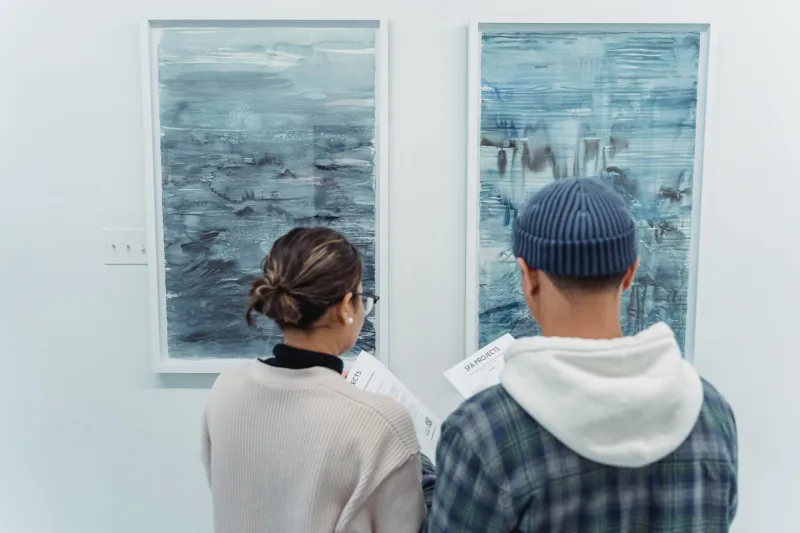
But this movement extends beyond simple affordability. Brighton's democratic art scene is also challenging traditional notions of what constitutes "serious" art. Work is displayed in cafés, community centres, and pop-up spaces rather than formal galleries. Opening events feature local bands rather than wine and canapés. Artists engage directly with buyers, explaining techniques and inspirations without the mediation of gallery staff.
"When you remove the intimidation factor of traditional galleries, something beautiful happens," observes Lisa Park, who runs the monthly "Art and Chat" sessions where artists discuss their work with potential buyers over coffee. "People who've never considered themselves 'art people' discover they have strong responses to visual work. They just needed a comfortable environment to explore those responses."
The programming reflects Brighton's inclusive values. Regular workshops teach basic framing techniques, helping buyers display their purchases properly. "First Time Buyer" events guide newcomers through the process of choosing and caring for artwork. Community critique sessions invite both artists and collectors to discuss work together, breaking down hierarchies between creators and consumers.
The Ripple Effect
The impact extends beyond individual sales. Brighton's affordable art movement is creating a new generation of art collectors who might eventually graduate to higher-priced work as their circumstances improve. More immediately, it's supporting artists who can now make a living from their practice without relying solely on high-value sales to wealthy buyers.
"I sell twenty £50 pieces more easily than one £1000 painting," explains printmaker Jordan Williams. "And I get twenty times more feedback, twenty times more engagement with my work. It's changed how I think about being an artist."
The model is also attracting attention from artists in other cities. Similar initiatives are emerging in Manchester, Bristol, and Glasgow, often with direct mentoring from Brighton pioneers. National arts organisations are beginning to study the Brighton model as a potential solution to the accessibility crisis facing British visual arts.
Challenges and Critics
Not everyone embraces the movement. Some established galleries worry about "devaluing" art through accessible pricing. Certain artists fear that affordable work will be perceived as lower quality. Critics argue that the model is unsustainable, that artists need higher prices to make living wages.
Brighton's democratic art advocates acknowledge these concerns while maintaining their commitment to accessibility. "We're not saying all art should be cheap," clarifies Chen. "We're saying there should be entry points for everyone. A student buying their first £30 print today might commission a £300 piece in five years."
The sustainability question is being addressed through innovative approaches. Some artists create limited runs of affordable work alongside their higher-priced pieces. Others use accessible sales to build customer bases for commissions and workshops. Collaborative spaces reduce individual costs while maintaining artistic independence.
Living with Art
Perhaps most significantly, Brighton's affordable art movement is changing how people live with creativity. Visit homes across the city and you'll find original paintings in student flats, handmade ceramics in council housing, limited-edition prints in shared houses. Art is becoming part of daily life rather than special occasion luxury.
"My daughter grows up surrounded by original art because we can afford it," explains Emma Rodriguez, a primary school teacher who's purchased six pieces from local artists over two years. "She sees creativity as normal, accessible, part of life. That's going to shape her relationship with art forever."
This cultural shift may be Brighton's most lasting contribution to British art. By making original work accessible to ordinary people, the city is creating a generation that sees art as essential rather than elite, collaborative rather than competitive, community-focused rather than market-driven.
As evening light filters through the windows of The People's Canvas, Chen arranges tomorrow's display. New work from twelve artists, all priced under £80, all created specifically for people who love art but can't afford gallery prices. It's a quiet revolution, one ceramic bowl and £45 painting at a time, but it's changing who gets to live with beauty in modern Britain.