The Gallery That Never Closes
Forget the stuffy corridors of the Tate or the hushed reverence of the National Gallery. Brighton's most dynamic art space stretches from the seafront to the South Downs, costs nothing to enter, and stays open around the clock. The city's street art scene has quietly evolved into something extraordinary: Britain's most democratic cultural institution.
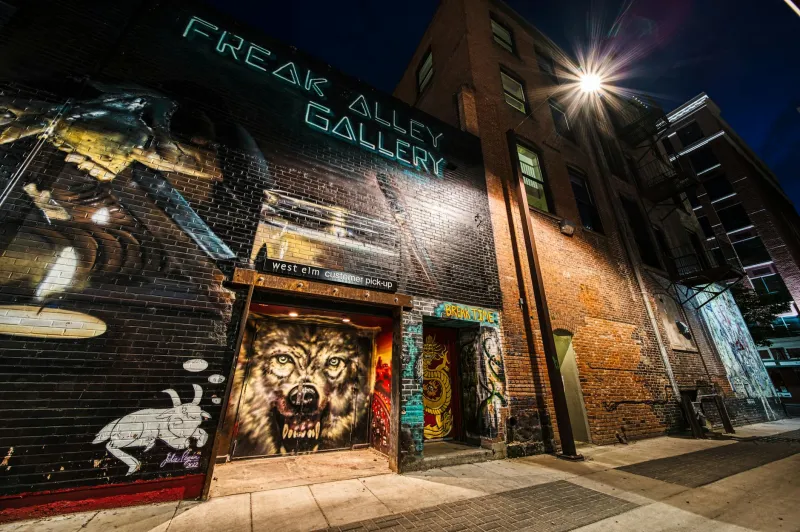
Walk through Kemptown on any given morning and you'll witness something remarkable. Office workers pause mid-stride to photograph a new piece that appeared overnight. Tourists abandon their pier-bound pilgrimages to follow murals down forgotten alleyways. Children point excitedly at technicolour creatures scaling the sides of Victorian terraces. This isn't vandalism – it's a revolution in how we experience art.
Beyond the Spray Can Stereotypes
The tired narrative of street art as rebellious scribbling died in Brighton years ago. What's emerged instead is a sophisticated ecosystem where commissioned works sit alongside guerrilla pieces, where international artists collaborate with local talents, and where the city itself has become both curator and canvas.
Take the North Laine, where every surface tells a story. Here, you'll find everything from hyperrealistic portraits that seem to breathe in the coastal light to abstract geometries that shift meaning as the shadows change. The area has become a pilgrimage site for artists from across Europe, drawn by Brighton's unique combination of creative freedom and institutional support.
"Brighton doesn't just tolerate street art," explains Maya Chen, whose flowing watercolour-style murals have become Instagram sensations. "The city embraces it as part of its identity. That changes everything about how we approach our work."
The Commissioners and the Rebels
What makes Brighton's street art scene particularly fascinating is its dual nature. Alongside the sanctioned murals – commissioned by local businesses, community groups, and arts organisations – a thriving underground scene continues to push boundaries and challenge expectations.
The contrast is striking. In Preston Park, a massive collaborative mural celebrating the city's LGBTQ+ heritage draws coach-loads of visitors daily. Meanwhile, beneath the railway arches, anonymous artists leave intricate stencil work that appears and disappears with ghostly regularity. Both approaches coexist, creating a layered urban gallery where discovery becomes part of the artistic experience.
This duality reflects Brighton's broader cultural identity. The city has always been comfortable with contradictions: bohemian yet commercial, radical yet welcoming, edgy yet accessible. Its street art embodies these same qualities, creating space for both the establishment and the outsider.
Seasons of Change
Unlike traditional galleries, Brighton's street art collection is beautifully impermanent. Pieces evolve with the weather, fade with the sun, and sometimes vanish overnight – replaced by something entirely new. This constant flux keeps the city's visual landscape alive and unpredictable.
Local photographer James Wright has documented this evolution for over a decade. "I've watched walls become palimpsests," he says, "with layers of artistic history visible beneath fresh paint. It's like watching the city's memory in real-time."
This impermanence isn't a bug in the system – it's a feature. It keeps the art democratic, preventing any single voice from dominating the urban conversation for too long. It also means that Brighton's street art scene never stagnates, never becomes museum-like or precious.
The Bigger Picture
Brighton's transformation into an open-air gallery raises important questions about public space and cultural ownership that resonate far beyond the city limits. In an era when arts funding faces constant cuts and gallery admission prices soar, street art offers an alternative model for cultural engagement.
The success of Brighton's approach hasn't gone unnoticed. Cities across Britain are studying its balance of freedom and curation, its integration of community voices with artistic excellence. But replication isn't straightforward – Brighton's street art scene works because it reflects the city's unique character and values.
Walking the Gallery
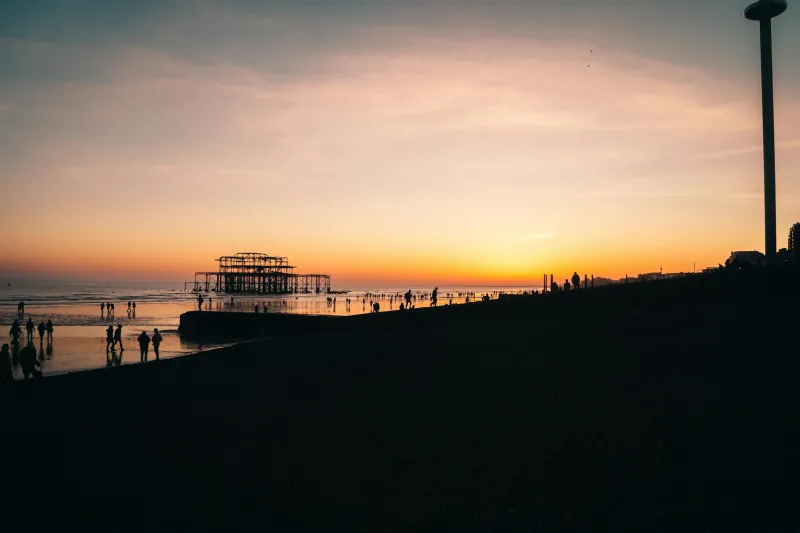
For visitors wanting to experience Brighton's outdoor gallery, the best approach is to abandon rigid itineraries. Start at the seafront, where massive murals frame views of the pier, then let curiosity guide you inland. The Lanes hide intimate pieces perfect for close inspection, while the industrial areas near the station showcase large-scale works that can be appreciated from a distance.
Don't rush. This gallery rewards slow looking, careful attention, and willingness to explore. Turn down that unmarked alley, peer into that forgotten courtyard, look up at those fire escapes. Brighton's street artists have claimed every surface, turning the entire city into their canvas.
The beauty of Brighton's street art scene lies not just in its individual pieces, but in its collective statement about who gets to shape our shared spaces. In a city where creativity has always been currency, the streets themselves have become the most valuable real estate of all – not for property developers, but for anyone with a vision and the courage to make it public.