The Counter Revolution
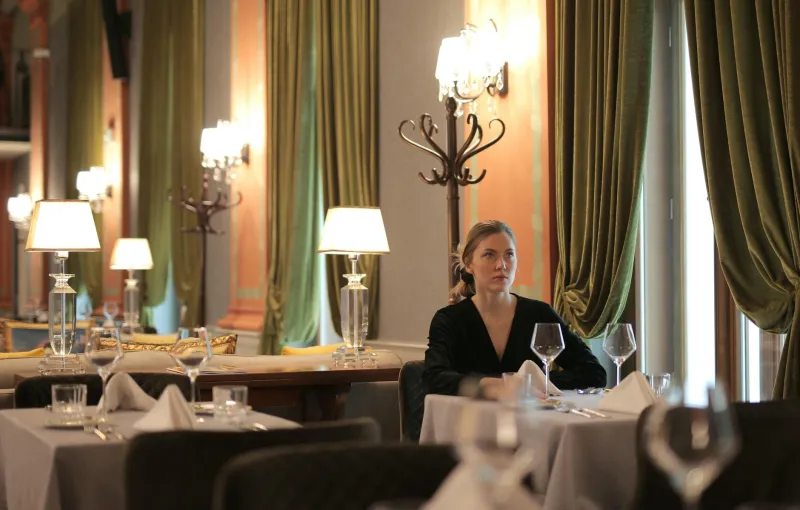
It's 7:30 PM on a Friday night at Terre à Terre, and Sophie Williams is having the time of her life. Alone. The marketing executive from London has driven down to Brighton specifically for this meal — not because she couldn't find company, but because she actively chose not to. Her table for one overlooks the bustling restaurant, a prime spot that would typically be reserved for couples or groups. But Brighton's restaurants are rewriting the rules of who deserves the best seats in the house.
 Photo: Terre à Terre, via d2q6z78khxmx42.cloudfront.net
"I used to feel like I needed an excuse to eat out alone," Williams explains between bites of the restaurant's famous mushroom wellington. "Business trip, waiting for someone who cancelled, that sort of thing. Here, I don't need to justify anything. I'm here because the food is brilliant and I want to enjoy it properly — which means without distraction."
This is Brighton's quiet dining revolution: the systematic dismantling of Britain's last great social stigma. While London restaurants still shuffle solo diners to corner tables by the kitchen, Brighton's food scene has embraced the single diner as not just acceptable, but desirable — a customer who notices details, savours flavours, and often becomes the most loyal regular.
Designing for One
The shift didn't happen by accident. A new generation of Brighton restaurateurs recognised that solo dining represents a massive untapped market — one that's been poorly served by an industry obsessed with romantic dinners and group celebrations. The result is a wave of venues specifically designed with the single diner in mind.
At 64 Degrees, chef Michael Bremner installed a chef's counter that seats twelve, each spot offering views into the open kitchen. "Solo diners get the best experience we can offer," he explains. "They see every dish being prepared, they can chat with the chefs if they want to, or just watch the theatre of service. Groups miss all that — they're too busy talking to each other."
The restaurant's solo-friendly design extends beyond seating. Tasting menus are perfectly portioned for one, wine flights come in smaller glasses to prevent overindulgence, and staff are trained to read whether someone wants conversation or contemplative silence. The approach has paid off: roughly thirty percent of 64 Degrees' covers are now solo diners, far above the industry average of eight percent.
The Art of Eating Alone
For food critic and Brighton resident James Morton, solo dining represents the purest form of culinary appreciation. "When you're alone, you taste everything," he argues. "No one's stealing your chips, no one's talking through the moment when the waiter brings your starter. You're completely present with the food."
Morton has been chronicling Brighton's solo dining scene for three years, noting how the city's restaurants have moved beyond mere accommodation to active celebration of single diners. "It's not just about giving them a table anymore," he observes. "It's about creating experiences that are actually enhanced by being alone."
That philosophy is evident at The Salt Room, where solo diners are offered cooking classes with the chef during quieter afternoon hours, or at Riddle & Finns, which provides complimentary tastings of new dishes to single guests willing to provide feedback. These aren't consolation prizes for the supposedly lonely — they're premium experiences available only to those dining alone.
Beyond the Stigma
The solo dining revolution reflects broader cultural shifts around self-sufficiency and the redefinition of what constitutes a fulfilling social life. Dr. Sarah Chen, a sociologist at Sussex University studying changing dining patterns, sees Brighton's approach as part of a wider movement toward "intentional solitude."
"We're moving away from the idea that being alone equals being lonely," she explains. "Particularly post-pandemic, people have discovered the value of their own company. Solo dining is an extension of that — it's self-care disguised as dinner."
The demographic driving the trend challenges assumptions about who eats alone and why. Brighton's solo diners include young professionals treating themselves after successful weeks, older adults rediscovering independence after relationship changes, and tourists who refuse to let travelling alone limit their culinary adventures. What unites them isn't loneliness but confidence — the assurance that they deserve good food and good service regardless of party size.
The Economics of One
Restaurant economics have traditionally favoured groups, with higher average spends and longer table occupancy times. But Brighton's restaurants are discovering that solo diners offer different advantages: higher frequency visits, lower no-show rates, and greater flexibility around booking times. They're also more likely to order wine, contrary to industry assumptions.
"Solo diners are our most reliable customers," says Anna Martinez, manager at The Gingerman. "They book regularly, they're never late, and they genuinely appreciate good service. Plus, they can fill those awkward single seats that groups can't use."
The restaurant has introduced a 'Solo Supper Club' on Monday nights, offering set menus designed for sharing — with yourself. The concept sounds absurd until you experience it: multiple small plates that allow solo diners to sample widely without waste, paired with wines chosen to complement the progression of flavours. It's sold out every week since launching six months ago.
The Ripple Effect
Brighton's solo dining revolution is spreading beyond restaurants to the city's entire food culture. Markets now offer single-portion ready meals from high-end vendors, cooking classes specifically for people who live alone, and even grocery stores with sections dedicated to 'cooking for one' ingredients.
The movement has also influenced how Brighton thinks about public space and community. Solo diners aren't hiding away — they're claiming prime real estate in the city's social landscape, normalising the sight of people contentedly enjoying their own company in public settings.
"It's changed the whole vibe of eating out here," observes longtime Brighton resident Emma Thompson, who discovered solo dining during lockdown and never looked back. "You see people reading books at dinner, writing in journals, just properly relaxing. It makes restaurants feel less performative, more genuine."
The Future of Alone
As Brighton's solo dining scene matures, restaurants are pushing the concept even further. Plans are underway for Britain's first restaurant designed exclusively for single diners — no tables for two, no couples allowed. It sounds radical until you consider that we already have venues exclusively for groups (banquet halls) and couples (romantic restaurants). Why not spaces that celebrate the joy of one's own company?
The broader implications extend far beyond food. If Brighton can successfully destigmatise solo dining — one of our most socially fraught activities — it suggests that other forms of intentional solitude might follow. Solo travel, solo entertainment, solo celebration of life's milestones.
In a world that often equates being alone with being incomplete, Brighton's restaurants are serving up a different message entirely: sometimes the best company you can have is yourself, and that deserves the finest table in the house.