The Invitation You Can't Google
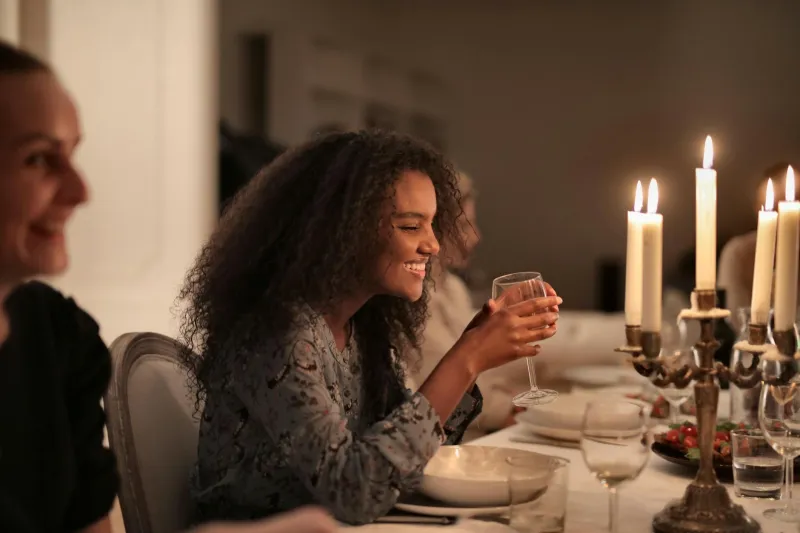
Somewhere in Brighton tonight, twenty strangers are gathering around a table that didn't exist this morning, preparing to share a meal that will never appear on any restaurant review site. They found each other through whispered recommendations, cryptic Instagram stories, and the kind of word-of-mouth networks that algorithms can't penetrate. Welcome to Brighton's secret supper club scene—where the city's most extraordinary dining experiences happen behind unmarked doors.
This isn't about exclusivity for its own sake or manufactured scarcity designed to drive up prices. It's about something far more radical: the revolutionary idea that sharing food should be about human connection rather than consumer transaction, that the best meals happen when strangers become friends over courses that tell stories.
The Living Room Revolutionaries
In a converted warehouse space in Kemptown, chef-turned-host Sarah Chen is laying out mismatched vintage plates for her monthly 'Flavours of Memory' dinner. Tonight's menu draws from her grandmother's Cantonese recipes, adapted for ingredients she's foraged from the South Downs that morning. The twenty guests—a mix of local artists, visiting writers, and curious food lovers—paid £35 each for a five-course meal that would cost triple that in a traditional restaurant.
"I started this because I missed cooking for people I cared about," Chen explains, adjusting flowers she picked during this morning's foraging expedition. "In restaurants, you're cooking for faces you never see. Here, I get to watch people taste my grandmother's dumpling recipe and see their expressions change. That's worth more than any review."
Chen's gatherings represent just one thread in Brighton's intricate underground dining tapestry. Across the city, living rooms transform into intimate restaurants, artist studios double as pop-up eateries, and rooftop gardens host elaborate tasting menus under string lights and stars.
The Underground Network
Finding these experiences requires patience and persistence. There's no central booking system, no Tripadvisor reviews, no Google listings. Instead, Brighton's supper club scene operates through a deliberately analogue network of personal recommendations, Instagram breadcrumbs, and community notice boards in independent coffee shops.
The secrecy isn't pretentious gatekeeping—it's practical necessity. Most hosts operate from residential spaces that couldn't accommodate traditional restaurant crowds or licensing requirements. The intimate scale is both limitation and liberation, forcing hosts to focus on quality over quantity, connection over profit.
"We're not trying to be difficult," explains Marcus Thompson, who runs monthly wine-pairing dinners in his Victorian terrace near Preston Park. "But when you're hosting twelve people in your dining room, you want those twelve people to be genuinely excited about the experience, not just looking for their next Instagram story."
The Art of Intimate Hospitality
What distinguishes Brighton's supper clubs from traditional restaurants isn't just the setting—it's the philosophy. Hosts aren't simply serving food; they're crafting experiences that blur the boundaries between professional hospitality and personal invitation.
At 'Tides & Thyme,' marine biologist-turned-cook Dr. Elena Rodriguez hosts quarterly seafood dinners that begin with beach foraging expeditions and culminate in meals prepared using ingredients guests helped gather. Her Hove flat transforms into an oceanic laboratory where diners learn about sustainable fishing whilst sampling sea beans they picked hours earlier.
"I wanted to connect people with their food sources," Rodriguez explains, showing guests how to identify edible seaweeds. "When you've spent the afternoon learning about marine ecosystems, that plate of locally caught mackerel means something completely different."
The educational element appears throughout Brighton's supper club scene. Hosts frequently combine dining with workshops, storytelling, or cultural exchange. Recent events have included Syrian refugee cooking classes, fermentation workshops led by local microbiologists, and 'memory meals' where elderly residents share recipes alongside stories from their youth.
Beyond the Algorithm
In an era when restaurant recommendations flow through algorithmic feeds and review aggregation sites, Brighton's supper clubs represent a return to genuinely human curation. Recommendations travel through personal relationships, shared experiences, and trust networks that no app can replicate.
This human-centred approach extends to the dining experience itself. Without the pressure to maximise table turnover or accommodate dietary restrictions for hundreds of covers, hosts can craft menus around seasonal availability, personal passions, and the specific group of diners they're hosting.
"I know everyone's name by the end of the evening," says Thompson, reflecting on his wine dinners. "People exchange contact details, plan future collaborations, sometimes even fall in love. That doesn't happen in normal restaurants."
The Future of Food
As Brighton's supper club scene continues expanding, it's influencing the city's broader dining landscape. Traditional restaurants are incorporating community elements, hosting collaborative dinners and educational events that blur the lines between professional and domestic hospitality.
The model offers particular appeal to young chefs priced out of traditional restaurant ventures by Brighton's soaring commercial rents. Starting a supper club requires creativity and passion rather than substantial capital investment, making it an accessible entry point for culinary entrepreneurs.
The Invitation Economy
Ultimately, Brighton's secret supper clubs succeed because they address a hunger that extends beyond food. In a digitally mediated world where social connections increasingly happen through screens, these gatherings offer something irreplaceable: the opportunity to share stories, forge friendships, and create memories around tables where everyone's name is known and every dish has meaning.
The revolution isn't about the food, though the food is often exceptional. It's about reclaiming hospitality as a fundamentally human art form, one conversation and one shared meal at a time. In Brighton's living rooms and artist studios, the future of dining is being written—one secret supper at a time.