The Kiln Collective
In a converted Victorian railway arch beneath Brighton's bustling London Road, the air shimmers with heat and possibility. The steady whir of pottery wheels mingles with laughter as a former investment banker sits beside a teenage refugee, both wrestling with the same stubborn lump of clay. Welcome to Mud & Soul, one of Brighton's newest communal pottery spaces — and the epicentre of what might just be Britain's most unexpected cultural revolution.
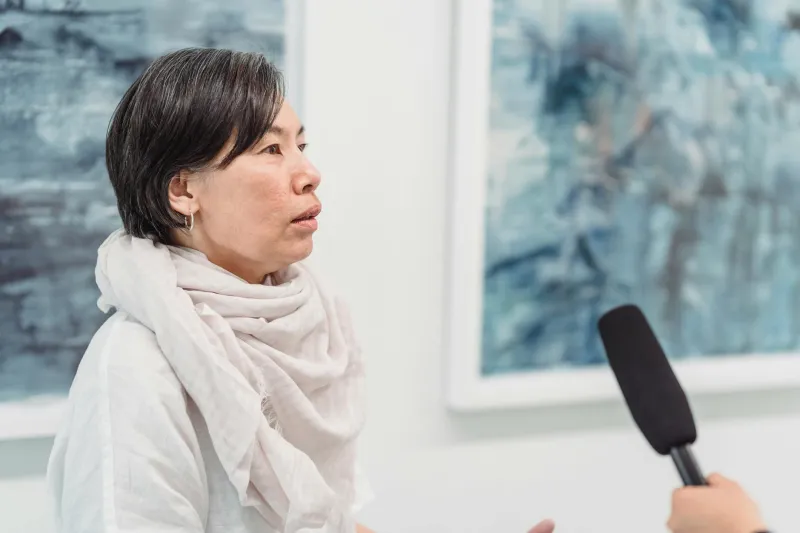
"Clay doesn't care about your CV," says Sarah Chen, who left her Canary Wharf trading desk three years ago to open this space. "Everyone starts equal here. Your hands in the mud, trying to make something beautiful from nothing."
The numbers tell their own story. Brighton now boasts seventeen community pottery studios — triple the number from five years ago. But this isn't just about hobby classes for the well-heeled. These spaces are becoming sanctuaries for mental health support, integration programmes for newcomers, and platforms for political expression that would make the Suffragettes proud.
From Spreadsheets to Slip
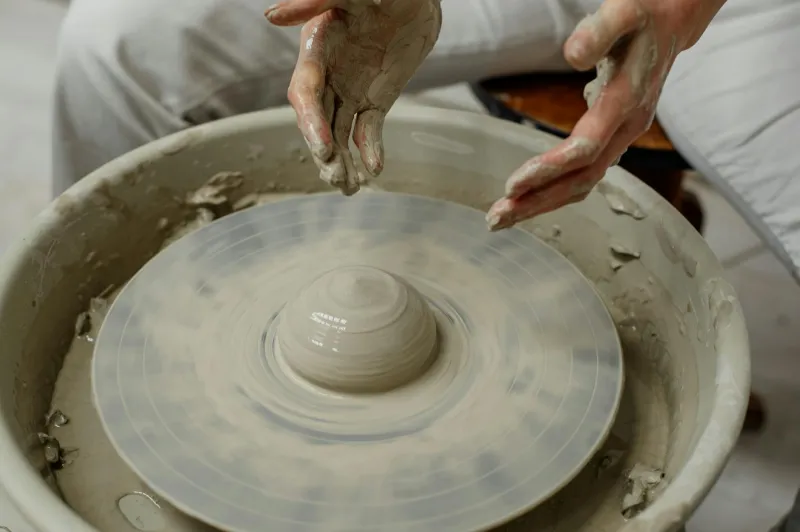
Chen's journey mirrors that of dozens of Brighton's new ceramics converts. The relentless pace of city life, amplified by the pandemic's isolation, has sent people searching for something real, something they can touch and shape with their own hands. "I was having panic attacks on the trading floor," she admits, centering a wobbling pot with practiced ease. "My therapist suggested pottery. I thought she was taking the piss."
But the ancient rhythm of wheel and clay proved more therapeutic than any prescription. Chen started attending evening classes in Hove, then weekend workshops, then found herself driving to Stoke-on-Trent for kiln-building courses. When her old job became redundant, she saw opportunity rather than crisis.
Mud & Soul operates on what Chen calls "radical accessibility." Sliding scale pricing means sessions cost between £3 and £30, depending on what people can afford. The studio runs specific programmes for care leavers, asylum seekers, and anyone struggling with mental health challenges. "Pottery saved my life," says Marcus Williams, a regular who discovered the studio after a breakdown ended his career in tech. "Now I'm helping others find the same peace."
Clay as Canvas for Change
Across town in Kemptown, the Queer Clay Collective is using ceramics as a form of protest art. Their latest exhibition, 'Thrown Not Born', features vessels that challenge traditional gender binaries — teapots with deliberately ambiguous spouts, bowls that refuse to conform to expected shapes.
"Every pot is political," declares collective founder Alex Rivera, whose glazes incorporate colours from historical LGBTQ+ flags. "We're reclaiming an ancient craft that's always been about transformation. Clay goes into the kiln one thing and comes out completely changed. Sound familiar?"
The collective's workshops have become gathering spaces for Brighton's queer community, offering both creative outlet and safe haven. Their pieces sell in galleries across Europe, but Rivera insists the real value lies in the conversations happening around the wheels.
The Therapy Revolution
Dr. Emma Patterson, a clinical psychologist at Sussex University, has been studying Brighton's pottery boom for her research into alternative therapeutic practices. "What we're seeing goes beyond art therapy," she explains. "It's community building through shared struggle — because pottery is hard. You fail constantly. But you fail together, and that creates bonds."
Her preliminary findings suggest that regular pottery practice reduces anxiety symptoms more effectively than traditional talking therapy for some participants. The tactile nature of clay work, she theorises, helps process trauma stored in the body in ways that words cannot reach.
At the Hangleton Community Centre, pottery sessions for older residents have become so popular there's a six-month waiting list. "I've made friends here I never would have met otherwise," says 78-year-old Betty Morrison, proudly displaying her latest creation — a wonky but cheerful mug glazed in Brighton's signature blue and white. "My granddaughter thinks I'm having a mid-life crisis. I told her it's more like a late-life awakening."
The Future in Fired Clay
Brighton's pottery renaissance reflects broader shifts in how we value making and community in an increasingly digital world. These studios aren't just teaching ceramic techniques — they're creating new models for social interaction, mental health support, and cultural expression.
As gentrification threatens to price out Brighton's creative communities, these pottery spaces offer something valuable: truly inclusive environments where connection matters more than capital. "You can't fake authenticity in clay," Chen observes, watching a mixed-age group collaborate on a large communal piece. "It either holds together or it doesn't. Just like community."
The movement shows no signs of slowing. Plans are underway for Brighton's first mobile pottery studio — a converted double-decker bus that will bring wheels and kilns to housing estates, care homes, and festivals across the city. Because if there's one thing Brighton's ceramics revolution has proven, it's that everyone deserves the chance to get their hands dirty and make something beautiful together.
In a world that often feels broken, perhaps the answer lies not in throwing it all away, but in learning to throw again — on a wheel, with clay, surrounded by others doing the same messy, hopeful work of creation.