The Last Fisherman's Tale
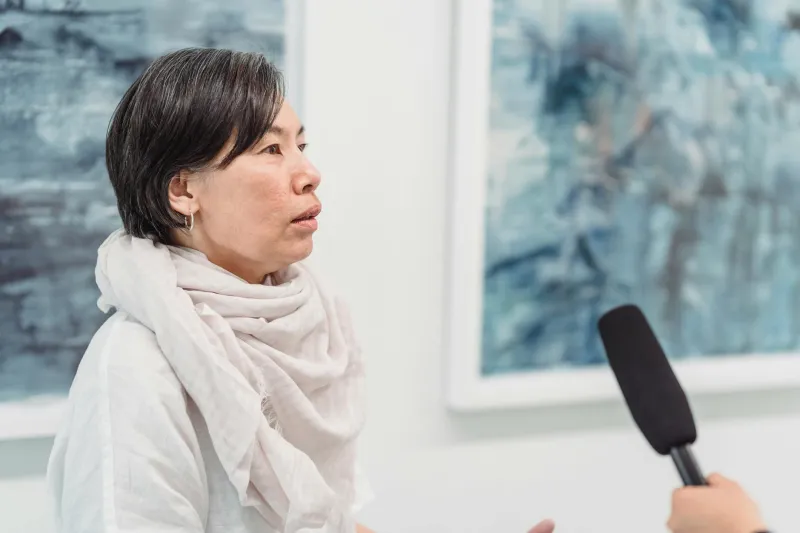
In a seafront café that's been serving builders' breakfasts since 1952, 84-year-old Tommy Fletcher adjusts the microphone clipped to his weathered fishing jumper. Across the Formica table, volunteer archivist Rachel Martinez checks her recording levels one more time. What follows is three hours of pure Brighton gold — stories of storms and catches, of a fishing community that once numbered in the hundreds and now barely reaches double digits.
"The young ones, they don't know what this place was," Tommy says, his voice carrying the salt-roughened cadence of five decades hauling nets. "They see the fancy flats, the cocktail bars. They don't know we used to land mackerel right where that sushi place stands now."
This conversation is part of the Brighton Memory Project, an urgent grassroots initiative racing to capture the city's living history before it's lost forever. As property prices soar and longtime residents are priced out, the volunteers have identified a closing window: the generation that remembers pre-gentrification Brighton won't be around much longer.
Digital Archaeologists
Martinez, a former BBC radio producer who moved to Brighton five years ago, started the project after realising how little she knew about her adopted city's recent past. "I was living in Hanover, hearing all these references to how the area 'used to be,' but no one was actually recording these stories," she explains. "We're losing decades of social history every time someone passes away or moves to Hastings because they can't afford the rent anymore."
The project now involves forty-seven active volunteers, from retired teachers to university students studying local history. They've conducted over 300 interviews in the past two years, creating an audio archive that spans everything from the mods and rockers riots to the early days of Brighton Pride, from the closure of the gasworks to the transformation of the West Pier.
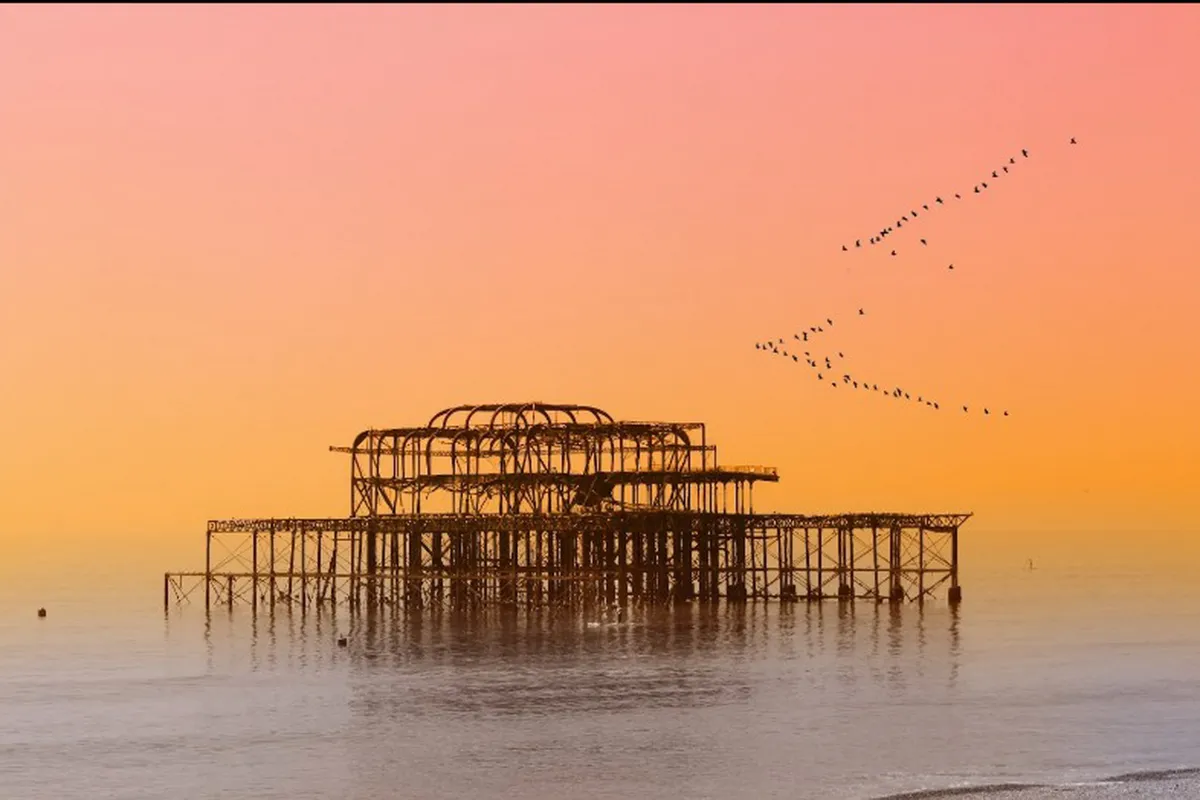 Photo: West Pier, via photos.wikimapia.org
The technical setup is deliberately simple — good quality digital recorders, basic editing software, and a commitment to making the process as comfortable as possible for interviewees. "We're not making documentaries," Martinez emphasises. "We're having conversations. The magic happens when people forget they're being recorded."
The Drag Dynasty Chronicles
Some of the project's most treasured recordings come from Brighton's legendary drag scene. Miss Penny Tration, now 67 and still performing at the Marlborough Pub, has provided hours of material about the underground gay scene of the 1970s and 80s, when being openly queer in Britain still carried real risks.
"People think Brighton's always been this liberal paradise," Penny says in her distinctive gravelly voice during one session. "Love, I've got scars that say otherwise. But we built something beautiful here, brick by bloody brick, wig by wig."
Her interviews reveal the hidden networks that kept LGBTQ+ Brighton alive during darker times — the coded language, the safe houses, the pub landlords who turned blind eyes to after-hours gatherings. These stories are particularly urgent to preserve as rising rents force closure of historic queer venues across the city.
Accidental Historians
Not all the project's contributors set out to become local historians. Rajesh Patel moved to Brighton from Uganda in 1972 as part of Idi Amin's expulsion of Asian communities. His corner shop on Preston Road became an informal community centre for new arrivals, and his memories capture the experience of building new lives in a seaside town that wasn't always welcoming.
"The first winter, we thought we'd made a terrible mistake," he recalls with a laugh that carries decades of perspective. "So cold, so different from Kampala. But Brighton grew on us. Or maybe we grew on Brighton. Hard to say which came first."
Patel's interviews document not just personal experience but the broader transformation of Brighton's demographic landscape. His shop was where newly arrived families learned about local schools, found flats, discovered which pubs were friendly and which weren't. His stories reveal how immigrant communities shaped Brighton's character as much as they were shaped by it.
Technology Meets Memory
The project uses innovative approaches to make the archive accessible and searchable. Volunteers tag interviews with location markers, time periods, and themes, creating a digital map of Brighton's living memory. QR codes placed at significant locations around the city link to relevant audio clips, allowing residents and visitors to hear Tommy Fletcher's voice while standing on the beach where he once launched his boat.
"We're creating layers of time," explains Dr. James Whitfield, a digital humanities researcher at Sussex University who provides technical support for the project. "Someone walking down West Street can hear what it sounded like during the 1980s club scene, or learn about the shops that used to line the road before chain stores moved in."
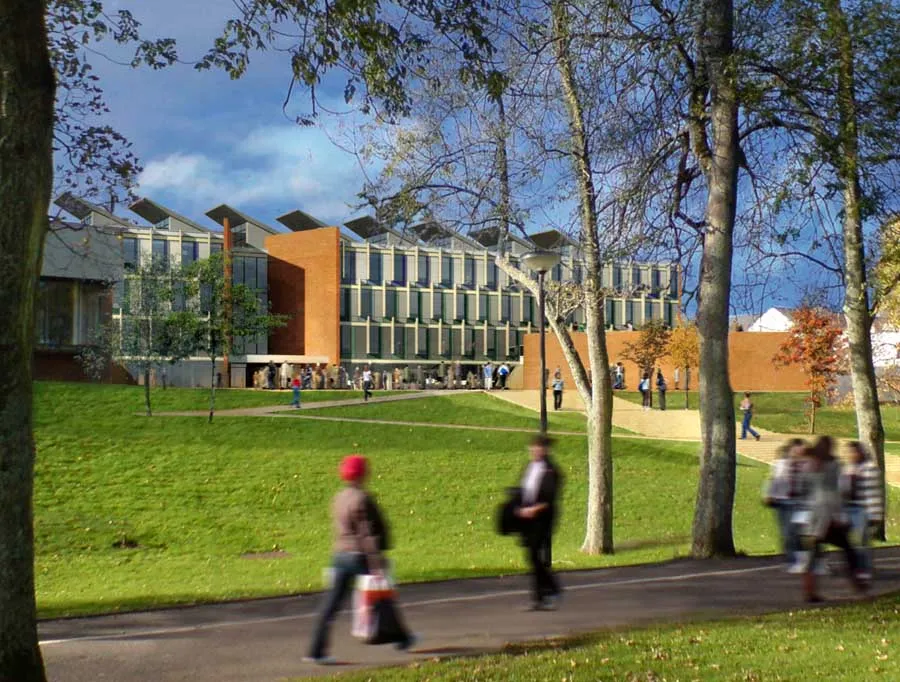 Photo: Sussex University, via www.e-architect.com
The archive is housed on servers at the university but remains fully accessible to the public. Local schools use the recordings for history projects, while the Brighton Museum has incorporated selected interviews into permanent exhibitions about the city's social evolution.
Racing Against Change
The urgency driving the project intensifies with each passing month. Volunteer coordinator David Chen maintains a list of priority interviews — people whose stories represent crucial pieces of Brighton's puzzle. "We've lost three key contributors this year," he says quietly. "One was going to talk about the old railway works. Another about the early days of the antique shops in The Lanes. Those stories are gone now."
The project has expanded beyond individual memories to capture community experiences. Group sessions in housing estates record collective memories of neighbourhood changes, while themed interviews explore specific aspects of Brighton life — the music scene, the restaurant trade, the evolution of the seafront.
Whose Brighton?
Perhaps the project's most valuable contribution lies in challenging simplified narratives about Brighton's past. The interviews reveal a city that's always been in flux, always been contested, always been home to multiple communities with different experiences of belonging.
"There's no single Brighton story," Martinez reflects. "There are hundreds of them, thousands. The fisherman's Brighton, the immigrant's Brighton, the student's Brighton, the artist's Brighton. They're all true, and they're all changing."
As the city continues its rapid transformation, the Brighton Memory Project serves as both historical record and democratic exercise — ensuring that the voices shaping tomorrow's Brighton include echoes of all those who built today's. Because in a city where change is the only constant, memory becomes the most radical act of preservation.