The City That Swallows Itself Whole
There's something almost supernatural about what happens to Brighton each May. Walk down any street during the festival season and you'll witness a city in the midst of a beautiful identity crisis—church halls morphing into experimental theatres, seafront cafés hosting poetry slams at dawn, and Victorian terraces opening their doors to installations that would make the Tate Modern jealous.
"It's like the city takes a deep breath and holds it for a month," says Sarah Chen, who's run The Old Market theatre for seven years. "Everything we thought we knew about our spaces, our audiences, our capabilities—it all gets thrown out the window."
This is Brighton Festival and Fringe season, and if you've never experienced it, imagine Edinburgh's cultural explosion transplanted to the seaside and given a hefty dose of Brighton's particular brand of irreverent creativity. The result is something that shouldn't work but absolutely does—a festival ecosystem so sprawling and diverse that it's virtually impossible to see everything, even if you lived here your entire life.
Beyond the Brochure: Where the Real Magic Happens
While the main Brighton Festival brings internationally acclaimed artists to prestigious venues like the Brighton Dome, it's the symbiotic relationship with the Fringe that creates the city's unique cultural alchemy. This isn't a hierarchy—it's more like a creative food chain where boundary-pushing student productions in basement venues can be just as revelatory as headline acts.
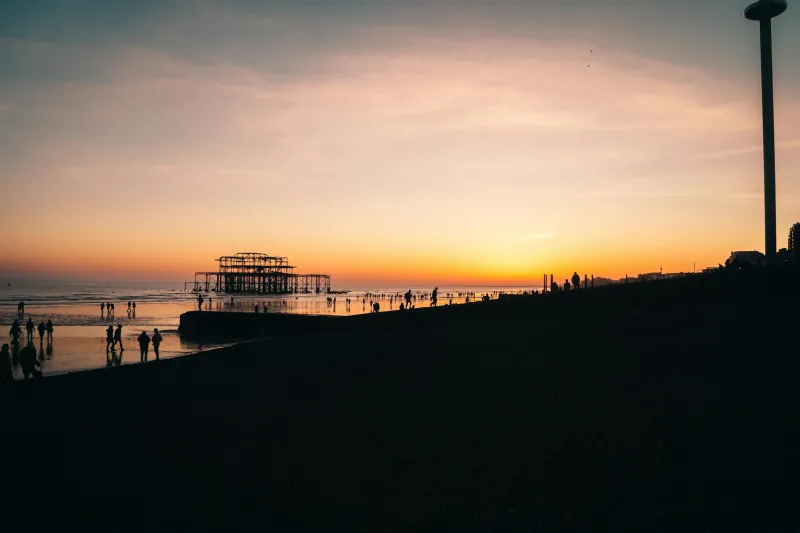
Take last year's breakout hit, "Tidal Conversations"—a piece performed entirely on Brighton Beach at sunrise, where audience members were given waterproof headphones and invited to wade into the English Channel while listening to stories from local fishermen, climate scientists, and refugees who'd crossed similar waters. It started as a Fringe show with a budget of roughly £200 and ended up being reviewed in The Guardian.
"That's the thing about Brighton in May," explains Marcus Rodriguez, a performance artist who's been part of the festival circuit for over a decade. "The city becomes this massive permission structure. Suddenly, asking strangers to stand in freezing seawater at 6am doesn't seem unreasonable—it seems essential."
The Venue Revolution: Every Space Tells a Story
What sets Brighton's festival month apart from other cultural celebrations is how it transforms the urban landscape itself. The Spiegeltent—that gorgeous mirrored pavilion that appears on the Old Steine—might be the most Instagram-worthy addition, but the real innovation happens in spaces you'd never expect.
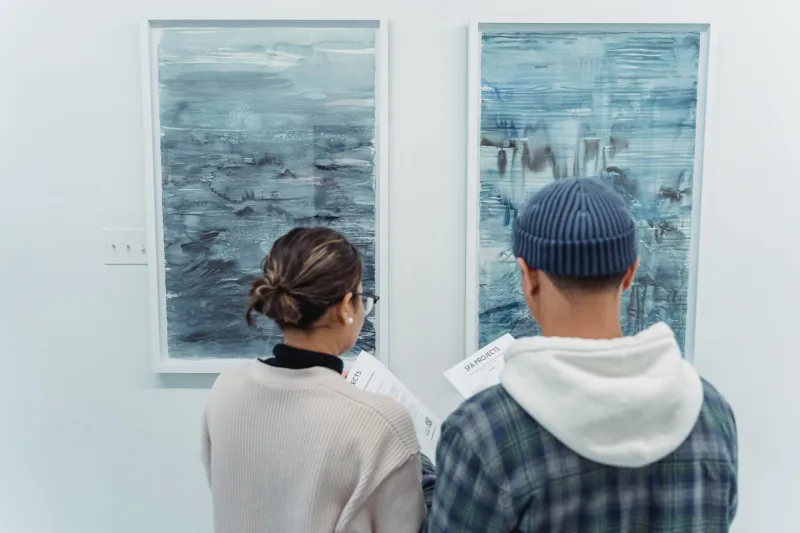
The Unitarian Church becomes a hub for experimental music. The Brighton Museum's corridors host immersive installations. Even the city's notorious parking situation becomes part of the art—last year saw "Mobile Gallery," where artists converted their cars into moving exhibitions, turning traffic jams into impromptu art viewings.
"We've had performances in people's living rooms, in abandoned shops, in the sea itself," says festival programmer Jenny Walsh. "Brighton doesn't just host the festival—it becomes the festival."
The Audience Experiment: When Spectators Become Participants
Perhaps the most radical aspect of Brighton's festival ecosystem is how it reimagines the relationship between performer and audience. This isn't passive consumption—it's active cultural participation on a city-wide scale.
Local resident Tom Hartley stumbled into this reality three years ago when he popped into a café for his usual morning coffee and found himself accidentally auditioning for an interactive theatre piece about gentrification. "I just wanted a flat white," he laughs. "Two hours later, I'm on stage talking about my childhood memories of the North Laine. It was terrifying and brilliant."
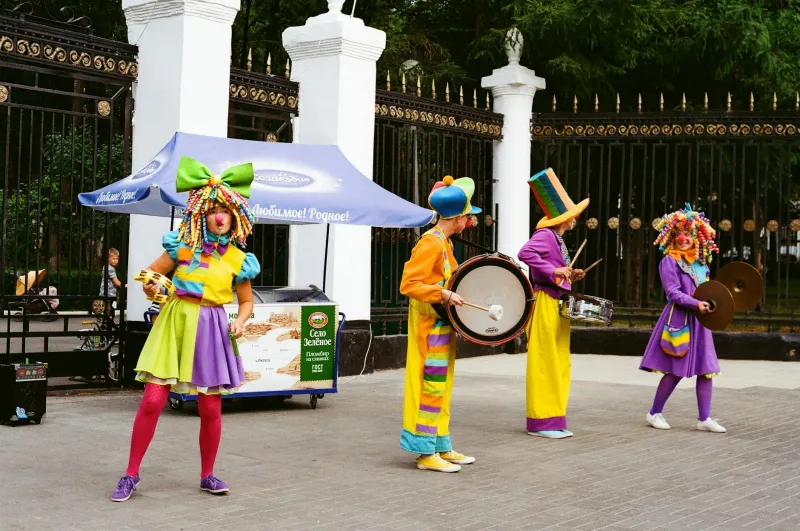
This blurring of boundaries extends beyond individual performances to reshape how the city functions during festival season. Neighbours become impromptu venue hosts, commuters find their daily routines intersecting with flash mobs, and even the most culturally skeptical residents find themselves drawn into conversations about art, identity, and what it means to call Brighton home.
The Economics of Creative Chaos
Behind the artistic experimentation lies a complex economic ecosystem that challenges traditional models of cultural funding. While major venues receive Arts Council support, much of the Fringe operates on shoestring budgets, crowdfunding, and the kind of creative bartering that would make seasoned accountants weep.
"I've paid performers in homemade soup, offered accommodation in exchange for technical support, and once traded a week of marketing work for a sound system," admits Fringe venue manager Lisa Thompson. "It shouldn't work, but there's something about May in Brighton that makes the impossible feel routine."
This grassroots economy creates opportunities for emerging artists who might never access traditional funding streams, while also fostering a culture of collaboration that extends far beyond the festival month itself.
After the Curtain Falls: The Lasting Impact
When June arrives and the city begins its slow return to normality, the question isn't whether Brighton has been changed by its month-long cultural experiment—it's how deeply those changes have taken root.
"The festival doesn't end—it just goes underground," observes cultural critic Amanda Foster. "The connections made, the boundaries pushed, the new ways of seeing familiar spaces—that becomes part of Brighton's DNA for the rest of the year."
It's visible in the year-round programming at venues that discovered new possibilities during festival season, in the collaborative projects that emerge from May meetings, and in the subtle shift in how Brighton residents approach their own creativity.
For a city already renowned for its cultural vibrancy, the festival month serves as an annual reminder of what's possible when an entire community commits to creative risk-taking. It's an experiment in collective imagination that proves, year after year, that the most ambitious art happens not in isolation, but when an entire city decides to dream together.