The Politics of Passing the Salt
Last Sunday, I found myself wedged between a retired librarian and a skateboard designer at a trestle table stretching the length of Trafalgar Street. Neither introduction would have happened in a restaurant. Both changed my understanding of my own neighbourhood.
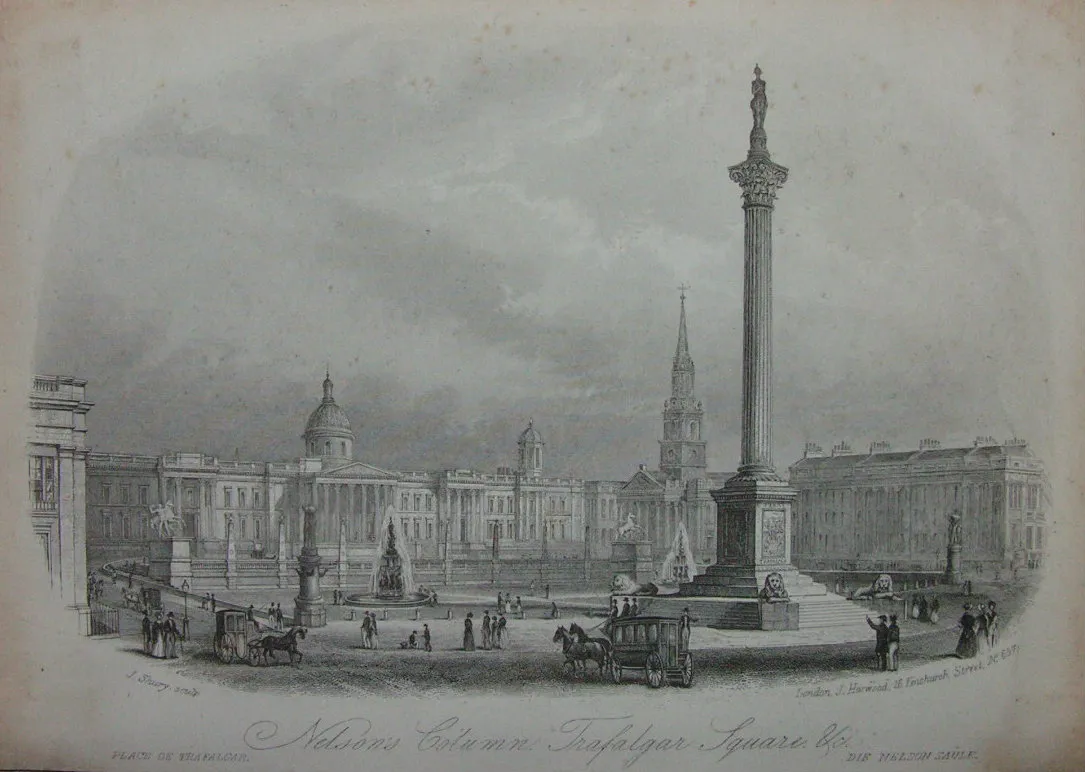 Photo: Trafalgar Street, via www.rareoldprints.com
This is Brighton's long table revolution—a quietly radical reimagining of how we eat, meet, and build community in an age of increasing social fragmentation. While London obsesses over molecular gastronomy and Manchester champions its curry mile, Brighton has developed something far more subversive: the art of feeding strangers.
More Than a Meal
The concept seems almost absurdly simple. Take one street, add tables, invite the neighbourhood. Yet watch these gatherings unfold and you'll witness something approaching social alchemy. Conversations flow across generational divides, children play between the chairs, and the usual British reserve melts away under the influence of shared food and genuine curiosity.
"It's not really about the eating," explains Rosa Martinez, who coordinates the monthly Preston Park gatherings. "Food is just the excuse to sit still long enough for actual human connection to happen."
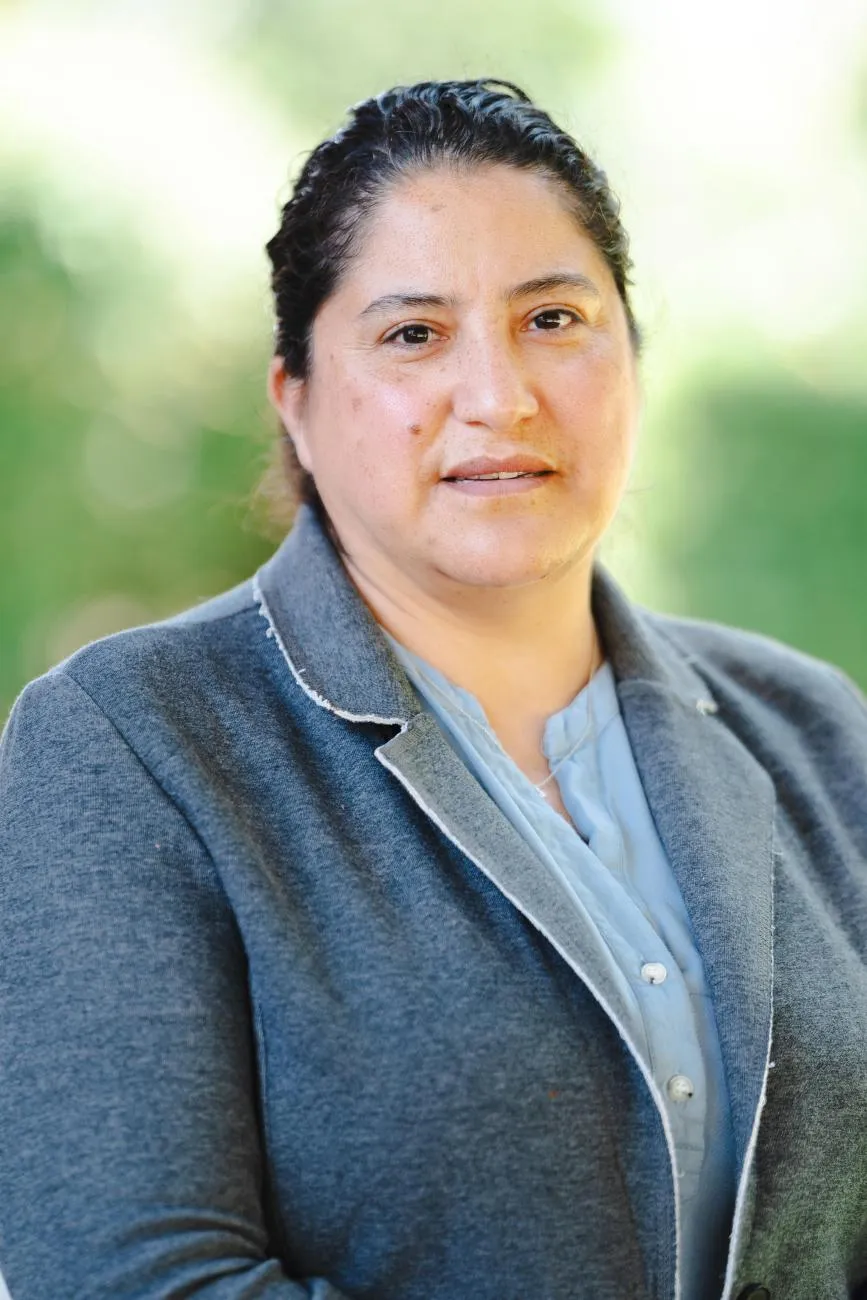 Photo: Rosa Martinez, via eao.sa.ucsb.edu
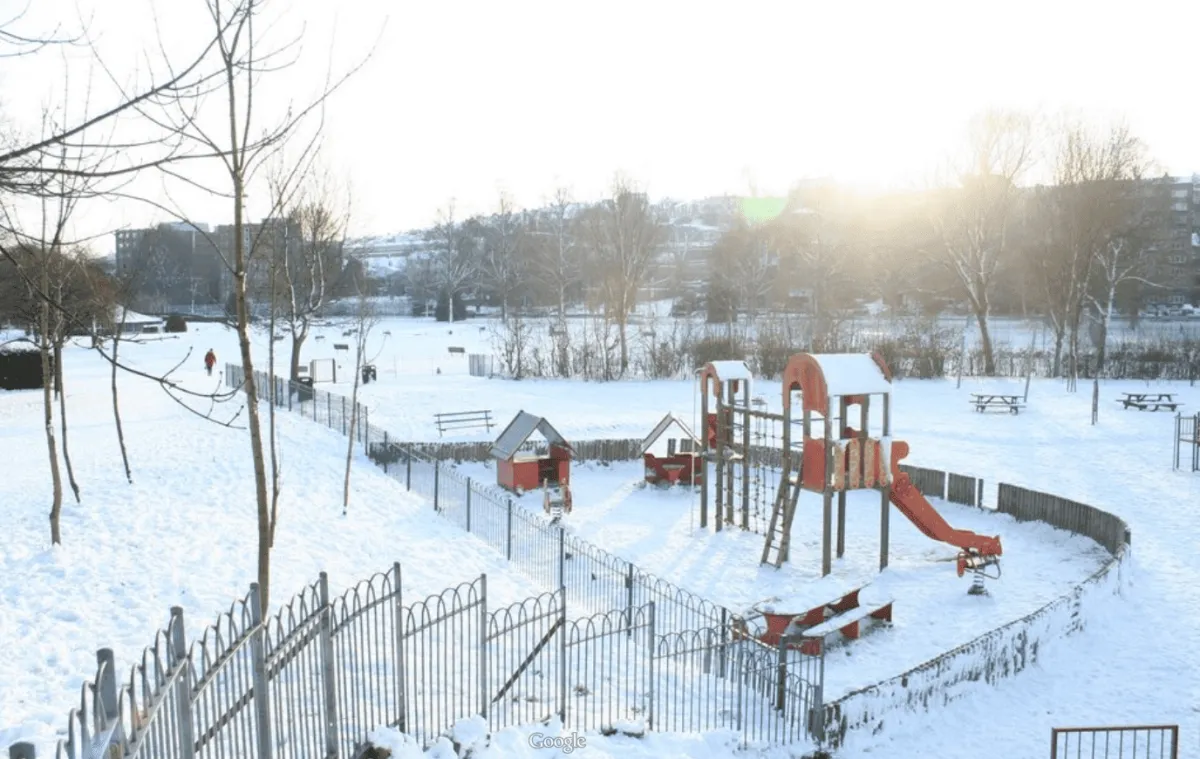 Photo: Preston Park, via www.freeparks.co.uk
Martinez started organising community feasts during lockdown, initially as a way to check on elderly neighbours. What began as practical support evolved into something more profound: a recognition that Brighton's famous community spirit needed deliberate cultivation, not just fond remembrance.
The Logistics of Belonging
Behind every successful long table event lies months of unglamorous coordination. Securing road closures, organising insurance, coordinating dozens of home cooks—it's community organising disguised as dinner party planning.
James Fletcher, who runs the Hanover Harvest Tables, describes the delicate choreography: "You need enough structure so people feel safe, but not so much that it feels institutional. The magic happens in the gaps—when someone's child starts helping serve dessert, when the conversation flows beyond your immediate neighbours."
The food itself follows unwritten rules that reflect Brighton's values. Local ingredients where possible, dietary restrictions welcomed rather than tolerated, and a democratic approach to contribution—whether you bring homemade soup or shop-bought bread, you're equally welcome at the table.
Beyond the Postcode Lottery
What distinguishes Brighton's approach from similar initiatives elsewhere is its deliberate inclusivity. These aren't exclusive supper clubs for the already-connected—they're genuine attempts to bridge the social and economic divides that typically segregate urban communities.
In Moulsecoomb, the monthly street feasts deliberately mix social housing residents with newcomers, students with retirees, families with singles. The results can be uncomfortable—real community building often is—but they're also transformative.
"I've lived here twenty years and never spoken to half my street," admits Sarah Chen, a regular attendee. "Now I know who's good at fixing bikes, who grows the best tomatoes, whose teenager is looking for weekend work. It's like having an extended family you actually chose."
The Economics of Generosity
Brighton's long table culture operates on principles that would horrify business consultants but make perfect sense to anyone who's experienced genuine community. There's no pricing structure, no membership fees, no means testing. People contribute what they can—time, money, skills, or simply presence.
This gift economy approach reflects something deeper about Brighton's character. In a city where housing costs push many to the margins, these gatherings offer a form of wealth that can't be priced out: the knowledge that you belong somewhere, that your presence matters, that someone will save you a seat.
The Ripple Effects
The impact extends far beyond the dining table. Streets that host regular long table events report stronger neighbourhood watch networks, more successful local campaigns, and higher participation in community initiatives. The social capital built over shared meals translates into collective action.
When the council proposed closing a local library, the residents of Fiveways had already spent months building relationships over communal dinners. Their campaign wasn't just about preserving a service—it was about protecting a community that had learned to value itself.
Lessons in Radical Hospitality
Perhaps most importantly, Brighton's long table culture offers a masterclass in what academics call "radical hospitality"—the practice of welcoming strangers not as charity cases but as potential friends. It's a skill that feels increasingly revolutionary in an age of gated communities and algorithmic echo chambers.
Watch a successful long table event and you'll see this principle in action: children naturally gravitating towards the most patient adults, elderly residents sharing local history with fascinated newcomers, recent immigrants teaching neighbours to pronounce their names correctly. It's integration as it should be—organic, mutual, and genuinely enriching for everyone involved.
The Future of Gathering
As Brighton continues to grow and change, these communal feasts offer both anchor and compass—a way of preserving what's valuable about community life while adapting to new realities. They prove that belonging isn't something you're born into or buy into, but something you build, one shared meal at a time.
In a world increasingly divided by walls both physical and digital, Brighton's long tables offer a different model: radical inclusion, one chair at a time. It's not perfect—real community never is—but it's genuine, and in our fractured age, that feels like revolution enough.
The next time you pass a street closed for a community feast, consider pulling up a chair. You might just discover that the most nourishing thing on the table isn't the food—it's the reminder that we're all just neighbours who haven't met yet.