The Art of Getting Properly Lost
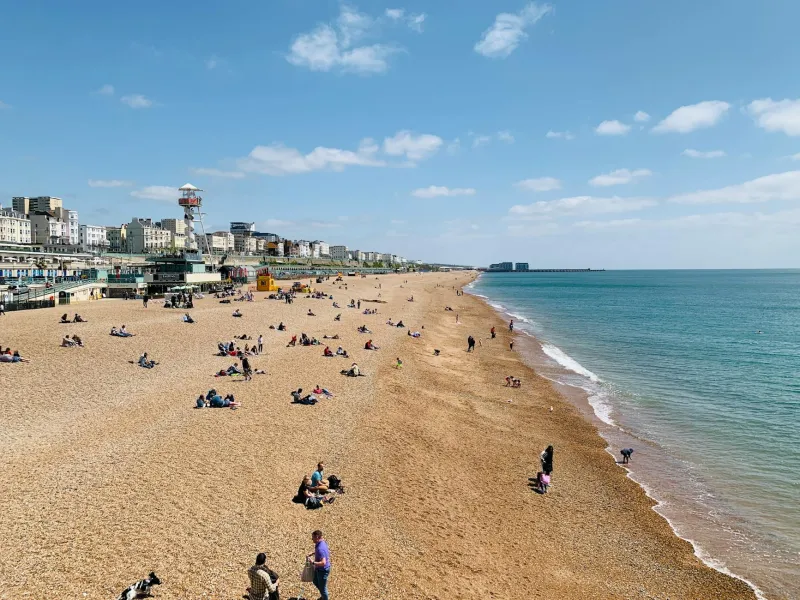
There's a moment, somewhere between Saltdean's chalk-white cliffs and the windswept expanses of Shoreham-by-Sea, when you realise you've stumbled into a different version of Brighton entirely. This isn't the Brighton of hen parties and vintage shopping, nor the Brighton of gallery openings and craft beer queues. This is the Brighton that locals guard jealously—a stretch of coast where the only soundtrack is seabirds and the rhythm of waves against shingle.
The South Downs Way might get all the guidebook glory, but Brighton's true coastal secret lies in its network of interconnected paths that weave between villages, nature reserves, and tea rooms that seem to exist in their own temporal bubble. It's a landscape that demands you slow down, look up, and remember what it feels like to walk without destination.
Where Smugglers Once Roamed
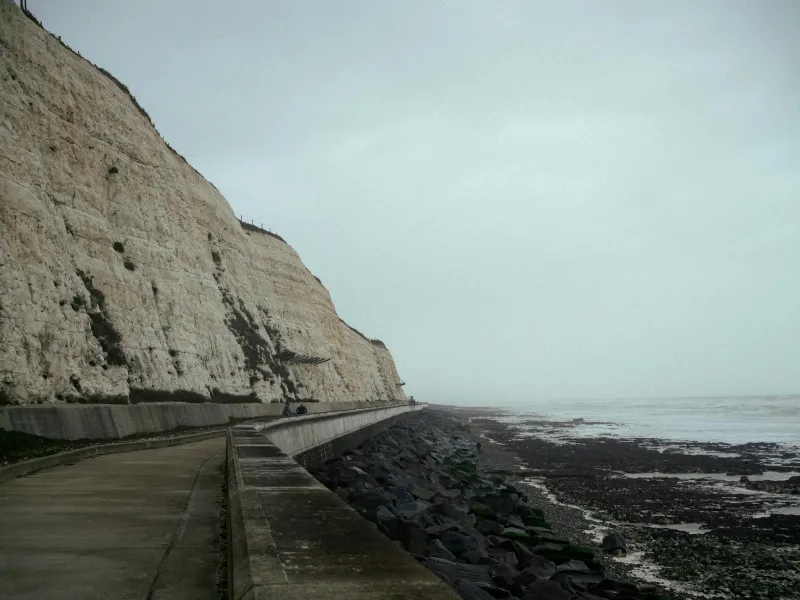
Begin at Rottingdean, where Rudyard Kipling once lived and where the village green still feels like a film set from a different century. The coastal path here hugs cliffs that have witnessed everything from Victorian sea bathing to wartime defences, their chalk faces carved with stories you can only read if you're willing to walk slowly enough.
The Undercliff Walk stretches eastward, a ribbon of tarmac that feels more like a meditation than a hiking route. On one side, the English Channel spreads towards France; on the other, the Downs roll like green velvet. It's here you'll find the kind of bench that begs for a flask of tea and a good book—the sort of spot where Brighton reveals its quieter personality.
Local dog walkers will nod as they pass, part of an unspoken community of people who've discovered that Brighton's real magic happens when you turn your back on the crowds and face the horizon instead.
Tea Rooms That Time Forgot
Every proper coastal walk needs its punctuation marks, and Brighton's hidden shore path delivers them in the form of tea rooms that seem to exist in defiance of modern life. The Saltdean Lido Café, perched beside one of Britain's most beautiful Art Deco swimming pools, serves proper builders' tea in proper china cups. It's the kind of place where locals arrive with newspapers and stay for hours, watching the tide roll in and out like a slow-motion film.
Further west, tucked into the marina at Brighton, you'll find cafés that cater to sailors and early morning swimmers rather than Instagram tourists. These are places where the coffee comes strong, the bacon sandwiches are legendary, and the conversation flows as naturally as the tide.
Nature's Gallery
The beauty of Brighton's coastal path lies not just in its destinations but in the spaces between—the nature reserves and hidden beaches that exist like secret rooms in a familiar house. Telscombe Tye stretches inland from the cliffs, a chalk downland where skylarks rise like musical notes and the only development is the occasional bench placed just so for maximum contemplation.
At low tide, the beaches between Brighton and Hove reveal rock pools that become temporary galleries of sea anemones and hermit crabs. It's wild art in its purest form, constantly changing with each wave, each season.
The bird life here reads like a who's who of coastal Britain: kestrels hanging motionless above the Downs, cormorants diving for fish beyond the pier, and in winter, the occasional peregrine falcon making dramatic hunting swoops that would put any street performer to shame.
Walking at Wave Speed
The secret to Brighton's coastal path isn't in covering distance—it's in matching your pace to the rhythm of the place. This is slow travel in its truest sense, where a two-hour walk might cover three miles or six, depending on how many times you stop to watch a seal surface beyond the breakwater or to photograph the way afternoon light catches the chalk cliffs.
Local photographers know this route intimately, arriving before dawn to catch the pier silhouetted against sunrise, or lingering until dusk when the lights of the seafront create golden ribbons on the water. They understand that Brighton's coastal beauty isn't just about the famous landmarks—it's about the quiet moments between them.
The Shoreham Secret
As the path curves westward towards Shoreham-by-Sea, Brighton's urban energy gradually gives way to something more elemental. The River Adur estuary spreads like a watercolour painting, with houseboats and converted barges creating a floating community that exists slightly apart from the rest of Sussex.
Shoreham Beach, with its collection of converted railway carriages turned into beach huts, feels like a different country entirely. Here, artists and writers have created a bohemian enclave where creativity flows as freely as the tide. It's the perfect end point for a coastal walk that celebrates not just Brighton's natural beauty, but its enduring ability to surprise.
Protecting the Magic
Perhaps the most beautiful thing about Brighton's hidden coastal path is how it's maintained not by tourism boards or council committees, but by the people who walk it daily. Local volunteers clear litter, photographers share weather conditions, and café owners provide the kind of warm welcome that makes strangers feel like regulars.
This is Brighton's gift to anyone willing to step off the beaten track—a reminder that the city's true character isn't found in its most famous attractions, but in the quiet spaces where locals go to remember why they fell in love with this stretch of coast in the first place.