The Conspiracy of Green
There's a quiet rebellion happening in Brighton, and it's painted in shades of green that would make the Pavilion's gardens weep with envy. While the rest of Britain obsesses over pristine lawns and regulated parks, this city has cultivated something far more subversive: a network of secret gardens that exist in the spaces between what planners intended and what communities created.
Step through the right unmarked door in Kemp Town, and you'll find yourself in a walled sanctuary where Victorian ambition meets modern necessity. These aren't the manicured squares of Georgian London — they're living, breathing testaments to what happens when residents refuse to let concrete have the final word.
The Guardians of Hidden Spaces
Meet Sarah, who's spent fifteen years tending a pocket garden tucked behind Brunswick Square. "People walk past that gate every day," she tells me, soil still under her fingernails, "but they never think to push it open. That's exactly how we like it."
It's this protective instinct that defines Brighton's relationship with its green spaces. Unlike the grand public gardens of Bath or the commons of London, Brighton's horticultural heart beats in courtyards that don't appear on any tourist map. The residents who maintain these spaces aren't just gardeners — they're cultural custodians, protecting something precious from the relentless tide of development and commercialisation.
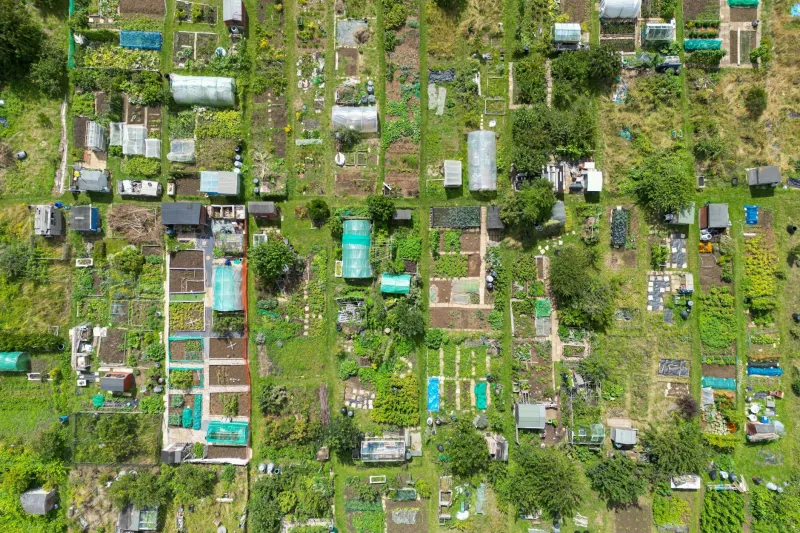
The North Laine tells this story in miniature. Between the vintage shops and record stores, guerrilla gardeners have claimed every available inch of neglected space. Window boxes cascade down fire escapes, community herb gardens sprout from abandoned lots, and someone — no one quite remembers who — has been maintaining a spectacular rose garden in what used to be a derelict courtyard behind Trafalgar Street.
Where Community Grows
These hidden gardens serve as more than just green lungs in an increasingly dense city. They're social infrastructure, the places where neighbourhood identity crystallises. In Hanover, residents have transformed a forgotten corner into a communal growing space where Pakistani grandmothers share gardening wisdom with university students, and everyone contributes according to their ability.
"It started with one person planting tomatoes," explains Marcus, a longtime Hanover resident who now coordinates the informal network of local growing spaces. "Five years later, we're feeding half the street and teaching kids where food actually comes from."
This isn't just about vegetables — though the courgette surplus every August suggests otherwise. It's about creating spaces where community happens organically, where the rhythms of seasons matter more than the demands of commerce.
The Art of Invisible Curation
What strikes you about Brighton's secret gardens is how deliberately curated they feel despite their apparent spontaneity. Someone with an eye for colour has been at work here, someone who understands that a splash of orange nasturtiums against a weathered brick wall can transform an entire courtyard.
The city's artistic community has quietly infiltrated these spaces, turning forgotten corners into outdoor galleries where sculpture grows alongside squash, where painted murals frame real climbing roses. It's installation art that blooms and dies with the seasons, performance pieces enacted by bees and butterflies.
In the maze of streets behind Western Road, artist collectives have claimed spaces that exist in planning limbo. These gardens double as workshops, galleries, and meeting spaces — cultural venues that operate entirely outside the formal arts infrastructure that defines so much of Brighton's public image.
The Economics of Secrecy
There's a practical element to this secrecy that reflects broader tensions about Brighton's future. As property prices soar and development pressure intensifies, these hidden spaces represent something increasingly rare: land that hasn't been monetised, community resources that exist outside market logic.
The residents who maintain these gardens understand that visibility can be fatal. Too much attention brings developers, brings regulations, brings the kind of "improvement" that transforms living communities into lifestyle destinations. So they practice a form of cultural camouflage, hiding in plain sight.
Beyond the Tourist Trail
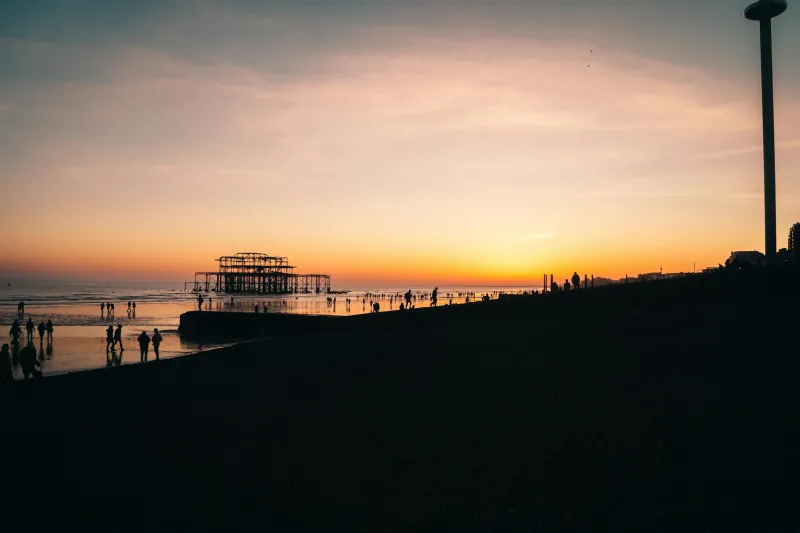
This is where Brighton's real character lives — not in the postcard views of the pier or the Instagram-friendly street art, but in these quiet spaces where residents have chosen cooperation over competition, growth over profit. These gardens represent a different kind of urban planning, one that happens from the ground up, literally and figuratively.
The next time you're wandering through Brighton's residential streets, pay attention to the doors that don't quite fit, the gaps between buildings that seem too deliberate, the sounds of water features and wind chimes drifting over walls. Behind those barriers, the city's true heart continues to beat, tended by hands that understand that some of the most valuable things in life are the ones you can't put a price on.
In a world increasingly defined by surveillance and commercialisation, Brighton's secret gardens offer something precious: proof that communities can still create beauty together, can still claim space for life to flourish away from the demands of profit and publicity. They're small rebellions that add up to something revolutionary — a city that still belongs, in part, to the people who actually live there.