The 5am Pilgrimage
The alarm sounds at 4:45am, but Sarah Chen doesn't need it. After three years of dawn beachcombing, her body has synchronised with the English Channel's rhythm. By 5:15am, she's walking Brighton's shoreline with a canvas bag and the kind of focused attention usually reserved for meditation retreats.
"People think I'm mad, getting up this early," Sarah laughs, examining a piece of frosted green sea glass between her fingers. "But they don't understand what the tide brings in during those quiet hours. By 9am, the dog walkers and joggers have trampled over everything. This is when the sea shares its secrets."
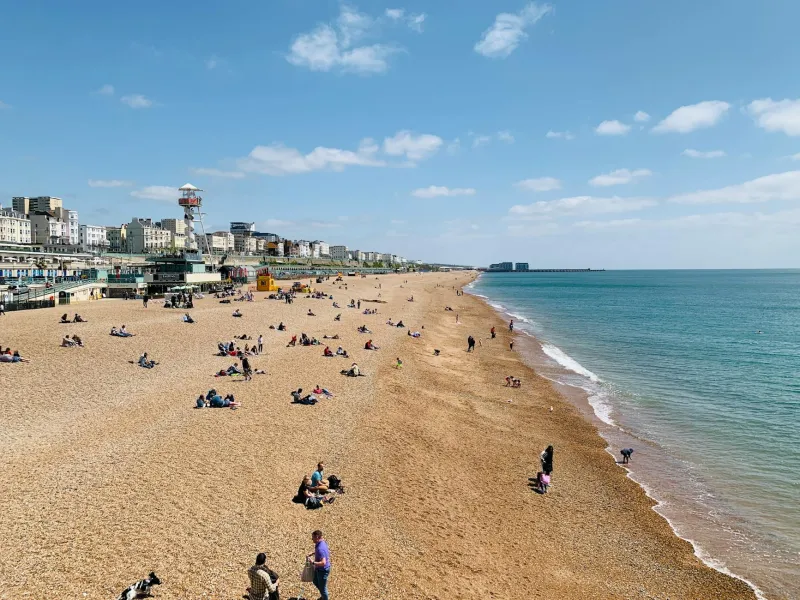
Sarah represents a growing tribe of Brighton residents who've discovered that the city's relationship with the ocean extends far beyond pier selfies and summer sunbathing. These dawn collectors—part treasure hunter, part environmental activist, part artist—are transforming what most would dismiss as beach debris into extraordinary creative works.
The Alchemy of Tides
Martin Reeves has been walking Brighton's beaches for over a decade, long before beachcombing became Instagram-worthy. His Kemp Town workshop overflows with driftwood sculptures, sea glass jewellery, and installations made from rope fragments worn smooth by salt water.
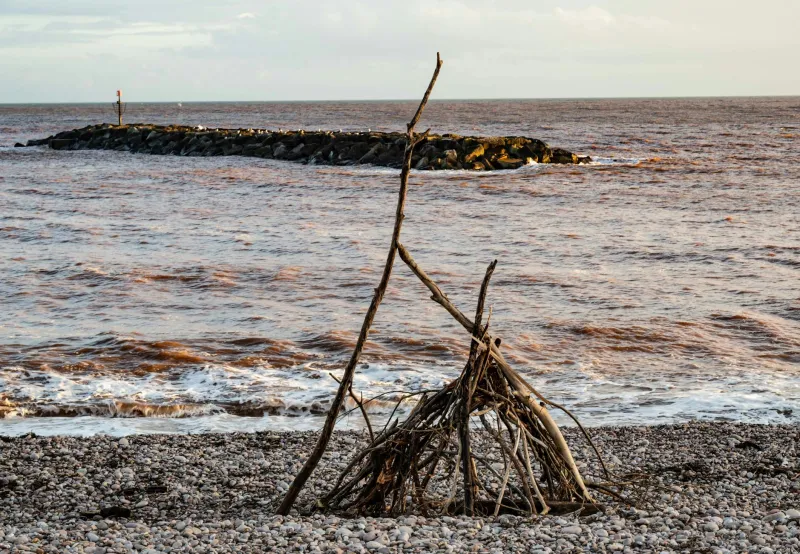
"The Channel doesn't just take things away," Martin explains, running weathered hands over a piece of timber that's travelled from who-knows-where. "It gives back, but you have to earn it. You have to show up when the conditions are right, when the storms have churned up treasures from the seabed."
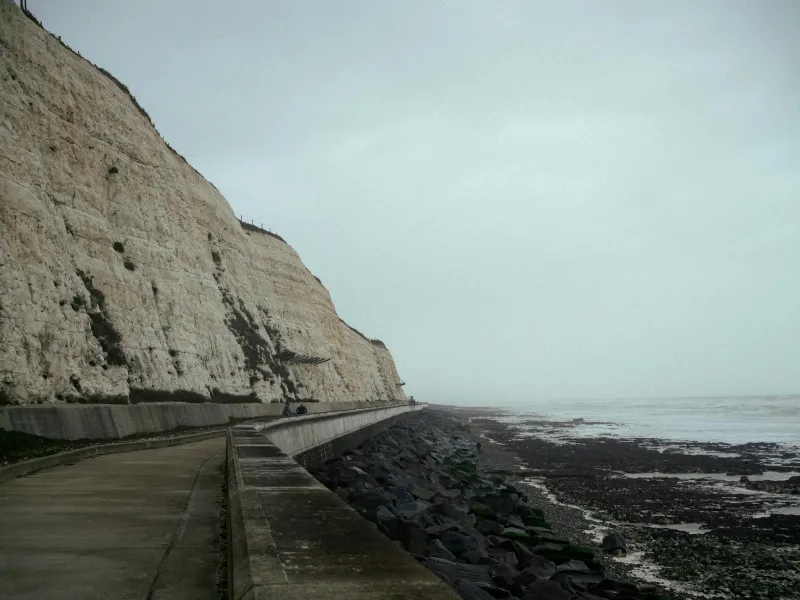
His latest commission—a large-scale sculpture for a Brighton hotel—incorporates materials gathered over eighteen months of dawn walks. Fragments of Victorian pottery, chunks of chalk from the Seven Sisters, rope ends from fishing boats, and metal pieces worn into organic shapes by decades of tidal action.
"Each piece tells a story about time and transformation," Martin says. "That's very Brighton, isn't it? This city has always been about reinvention, about finding beauty in unexpected places."
The Therapeutic Tide
For many dawn collectors, the art is secondary to the ritual. Dr. Emma Walsh, a clinical psychologist who turned to beachcombing during lockdown, describes it as "active meditation with tangible rewards."
"There's something profoundly grounding about walking the tideline," she explains, sorting through her morning's finds in her Hove flat. "Your attention narrows to what's directly in front of you—this shell, that piece of glass, the pattern of waves on sand. It's impossible to worry about emails or deadlines when you're completely present with the shoreline."
Emma's collection has evolved into a side business creating bespoke jewellery from sea glass and beach stones. Each piece comes with a small card detailing when and where it was found, connecting the wearer to a specific moment in Brighton's coastal story.
"My customers aren't just buying jewellery," she notes. "They're buying a piece of Brighton's relationship with the sea. They're wearing a tiny fragment of our city's daily transformation."
Reading the Shore
Experienced beachcombers develop an almost supernatural ability to read the conditions. They know that easterly storms bring the best sea glass, that spring tides reveal treasures usually hidden beneath shingle, that certain sections of beach yield specific types of finds.
"After a big storm, we're all out there like kids on Christmas morning," Sarah grins. "The WhatsApp group goes mad with photos of finds. There's this incredible community of people who understand the magic of what washes up."
The community extends beyond Brighton's shores. Online forums connect beachcombers across the UK, sharing techniques for cleaning finds, identifying mysterious objects, and transforming materials into art. But there's something uniquely Brighton about the city's dawn collectors—a blend of creative ambition and environmental consciousness that reflects the city's broader character.
Sustainable Creativity
In an era of fast fashion and disposable culture, Brighton's beachcombers represent a different approach to creativity and consumption. They're creating beauty from waste, finding treasure in what others discard, and developing deep connections to their local environment.
"We're not taking anything from the sea," Martin emphasises. "We're cleaning up what doesn't belong there and giving it new life. Every piece of plastic I turn into art is plastic that's not going back into the food chain."
This environmental angle attracts younger collectors, many of whom see beachcombing as a form of activism. They're documenting the types of debris that wash ashore, creating art that highlights ocean pollution, and building community around sustainable creative practices.
The Dawn Economy
What started as personal ritual has, for some, become genuine livelihood. Brighton's markets now feature stalls selling beachcombed art, sea glass jewellery, and driftwood sculptures. Local galleries showcase installations made from shore-found materials, and workshops teaching beachcombing techniques book out months in advance.
"There's a hunger for authentic, local creativity," observes Emma. "People want objects with stories, especially stories connected to place. When someone wears my sea glass earrings, they're wearing a piece of Brighton's shore."
As dawn breaks over Brighton's seafront, casting long shadows across the shingle, the early collectors are already heading home with bags full of possibilities. Tomorrow, they'll be back, following the eternal rhythm of tide and transformation that defines this city by the sea.
In a world increasingly disconnected from natural cycles, Brighton's dawn collectors have found something precious: a daily practice that connects them to place, community, and the endless creativity of the English Channel itself.