The Dawn Chorus of the Shingle
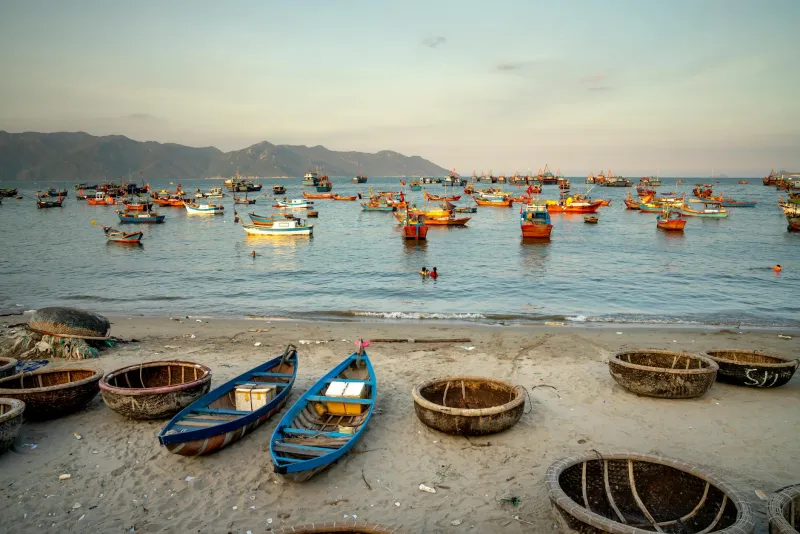
At half-past five on a Tuesday morning, whilst most of Brighton sleeps off Monday's revelries, Derek Matthews is already hauling his boat across the pebbles. The 73-year-old has been working these waters for over five decades, his weathered hands telling stories that no guidebook could capture.
"When I started, this was a proper fishing beach," Derek tells me, gesturing towards the spot where tourists now queue for fish and chips. "We had twenty-odd boats launching from here daily. Now? I'm one of three left."
Derek represents something increasingly rare in modern Brighton – continuity. Whilst the city reinvents itself seasonally, he remains constant, a living link to the seafront's working heritage. His stories aren't just personal memories; they're the DNA of this stretch of coast.
When Fish Was King
Maureen Clarke, 68, remembers when her father's fish stall was the heartbeat of the lower promenade. "Dad would be up at three, meeting the boats. By seven, we'd have queues of locals buying their dinner. Proper fresh fish, not the tourist stuff."
The transformation hasn't been gentle. Maureen watched as traditional fish sellers were gradually priced out, replaced by businesses targeting day-trippers rather than residents. "Don't get me wrong," she's quick to clarify, "Brighton needs tourism. But something's been lost in translation."
This tension between preservation and progress runs through every conversation I have with the seafront's old guard. They're not bitter – they're pragmatic. They understand that cities must evolve. But they also recognise what disappears when authenticity becomes a marketing term rather than a lived reality.
The Rhythm of Seasons
Tony Ferrara has run his deck chair business from the same spot for thirty-seven years. He's witnessed Brighton's seasonal personality shifts like a time-lapse photographer, watching the beach transform from windswept winter solitude to summer carnival.
"February's my favourite month," he admits. "Just locals walking their dogs, maybe a few hardy souls having a paddle. That's when you see the real Brighton – not performing for anyone, just being itself."
Tony's observations reveal the seafront's dual nature. Summer brings economic lifelines – his deck chair rentals peak during festival season – but winter offers something equally valuable: space for the city to breathe.
"The young ones moving here now, they love the winter beach," he notes. "They get it. They understand that Brighton's not just a summer destination – it's a year-round mood."
Unsung Heroes of the Promenade
Beyond the obvious characters – fishermen, traders, entertainers – the seafront harbours quieter guardians. Janet Williams has been cleaning the public toilets near the West Pier ruins for fifteen years. Her perspective is unique: she sees Brighton at its most vulnerable.
"People think it's a glamorous job," she laughs. "But I meet everyone – families on holiday, rough sleepers seeking shelter, young couples on first dates. The toilets are where people drop their guard."
Janet's stories humanise statistics. She's watched homelessness increase, seen tourism patterns shift, observed how different communities use the seafront. Her daily rounds make her an accidental anthropologist of coastal life.
The New Guard
Not all seafront stories belong to pensioners. Marcus Chen, 34, represents Brighton's newer wave of independent traders. His Vietnamese street food cart occupies the same stretch where Maureen's father once sold fresh cod.
"The old-timers were suspicious initially," Marcus admits. "But we're not so different. We're both trying to make honest livings from the sea air and passing trade."
Marcus bridges old and new Brighton. His food draws Instagram crowds, but his work ethic mirrors that of previous generations. He arrives early, works long hours, and understands that reputation travels faster than social media in a city this size.
Storms and Survival
Every longtime seafront resident remembers specific storms. The 1987 hurricane features in multiple conversations, but so does the 2013 surge that damaged the pier foundations. These shared experiences create an unofficial community among people who might otherwise never meet.
"Storms strip away the pretence," Derek reflects. "Doesn't matter if you're selling artisanal coffee or bait – when the waves are hitting the promenade, we're all just trying to protect our livelihoods."
These weather memories serve as informal timestamps, marking Brighton's evolution. Pre-storm versus post-storm. Before the West Pier collapsed. After the i360 appeared. The seafront's timeline is written in salt and survival.
Legacy and Loss
As Brighton's property prices soar and the seafront becomes increasingly corporate, these voices risk being drowned out. Their stories matter not just as nostalgia, but as wisdom. They understand rhythms that newcomers must learn – which winds bring good weather, where crowds naturally flow, how the city's mood shifts with the tides.
"Brighton's always been about reinvention," Maureen observes. "But the best changes respect what came before. The seafront's not a blank canvas – it's a palimpsest, with layers of history still showing through."
These guardians of Brighton's shore aren't museum pieces. They're living bridges between the city's past and future, reminders that beneath every postcard view lies a deeper story, written in weathered hands and changing tides.