The Unsung Heroes of British Music
Whilst the music press obsesses over London's latest hype and Liverpool's heritage tours, something extraordinary is happening in Brighton's cramped basement venues and converted seaside warehouses. This city has become Britain's most vital incubator for emerging musical talent, and nobody seems to be paying attention—which is exactly why it works.
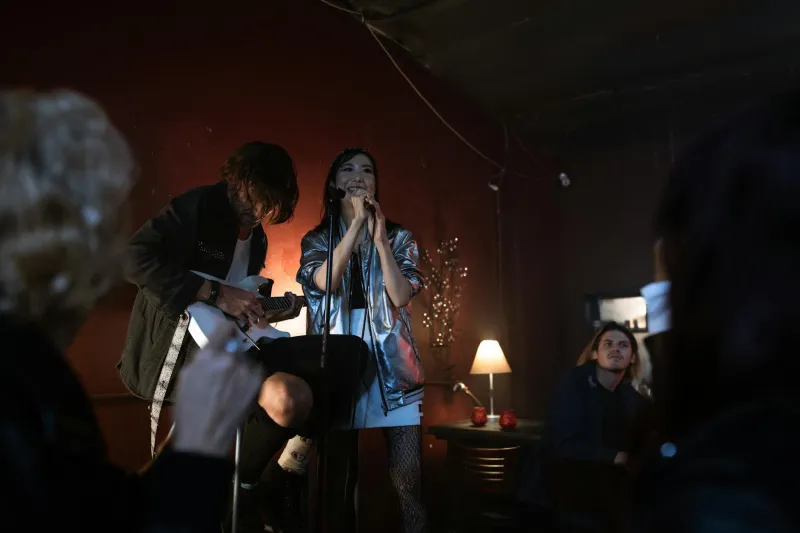
Last Tuesday night, I squeezed into The Prince Albert's upstairs room to catch Velvet Ghosts, a synth-pop duo who'll probably be headlining festivals within two years. The venue holds maybe sixty people, the beer's reasonably priced, and the sound quality is surprisingly excellent. More importantly, the atmosphere crackles with genuine excitement rather than industry cynicism.
This is Brighton's secret weapon: intimacy without pretension, creativity without corporate interference.
The DIY Democracy
Brighton's music scene operates on principles that feel revolutionary in today's industry landscape. Open-mic nights aren't amateur hour—they're genuine talent showcases where established acts return to test new material alongside complete unknowns. The Mesmerist, a tiny venue beneath a vintage shop, hosts weekly sessions where genre boundaries dissolve and collaboration happens organically.
"There's no hierarchy here," explains Maya Singh, whose indie-folk project Saltwater Hymns has grown from bedroom recordings to sold-out local shows. "The same venues that book touring acts will give unknown artists proper sound checks and equal respect. That's rare anywhere else."
This democratic approach extends to the city's DIY recording spaces. Studios like Submarine Cat offer affordable rates and patient engineers who understand that great music often emerges from experimentation rather than expensive equipment. The result is a scene where artistic vision matters more than marketing budget.
The Brighton Sound: Impossible to Define, Easy to Recognise
Trying to pin down Brighton's musical identity feels futile—and that's precisely what makes it compelling. The city's sound reflects its population: eclectic, inclusive, and refreshingly unpredictable.
Take Cosmic Debris, a five-piece whose sets blend post-punk urgency with ambient interludes and occasional saxophone solos. Their music shouldn't work, but in Brighton's context, it feels inevitable. "We're not trying to fit into any scene," says drummer Alex Chen. "Brighton gives you permission to be weird, and that's liberating."
This creative freedom stems partly from the city's art school heritage and LGBTQ+ culture, but also from its position as a seaside escape from London's pressure cooker. Artists arrive seeking inspiration and stay because they find community.
Venues That Care
Brighton's music ecosystem thrives because venue owners genuinely support emerging talent rather than simply exploiting it. The Old Market, despite its larger capacity, maintains an artist-first approach that feels personal. Smaller venues like The Hope & Ruin and Patterns have built reputations as artist development spaces where taking creative risks is encouraged.
"We're not just booking acts—we're building careers," says Tom Bradley, who programmes several local venues. "When bands return after touring Europe and specifically request Brighton dates, that tells you everything about the relationship we've built."
This support extends beyond performance opportunities. Many venues offer equipment sharing, promotional assistance, and connections to other cities' scenes. It's a model that prioritises long-term artistic development over short-term profit margins.
The London Alternative
Whilst London's music venues close due to rising rents and noise complaints, Brighton's scene expands organically. New spaces emerge in unexpected locations—from converted churches to beachfront containers—because the city embraces cultural experimentation.
The contrast is stark. London's emerging artists often struggle with travel costs and fierce competition for limited slots. Brighton offers affordable living, supportive audiences, and venues actively seeking new talent. For many artists, it's become the sensible choice rather than the compromise option.
"I moved here thinking it was temporary," admits songwriter Finn O'Brien, whose melancholic indie-pop has garnered radio play across Europe. "Three years later, I can't imagine making music anywhere else. The community here actually wants you to succeed."
The Future Sounds Bright
Brighton's music scene succeeds because it operates on human scale rather than industry logic. Relationships matter more than algorithms, creativity trumps commercial calculation, and community support replaces corporate machinery.
This approach is producing artists who sound distinctly contemporary whilst remaining genuinely original. They're not chasing trends or imitating influences—they're creating something authentically their own within a supportive environment that values artistic integrity.
As major labels struggle to identify the next big thing, Brighton quietly nurtures talent that doesn't need artificial hype because it possesses genuine substance. The city has become Britain's best-kept musical secret, and long may it remain so.
After all, the moment everyone discovers Brighton's magic is probably the moment it stops working. For now, though, the future of British music is being written in seaside venues where the beer's cheap, the welcome's warm, and the music matters more than the marketing.