The Art That Hides in Plain Sight
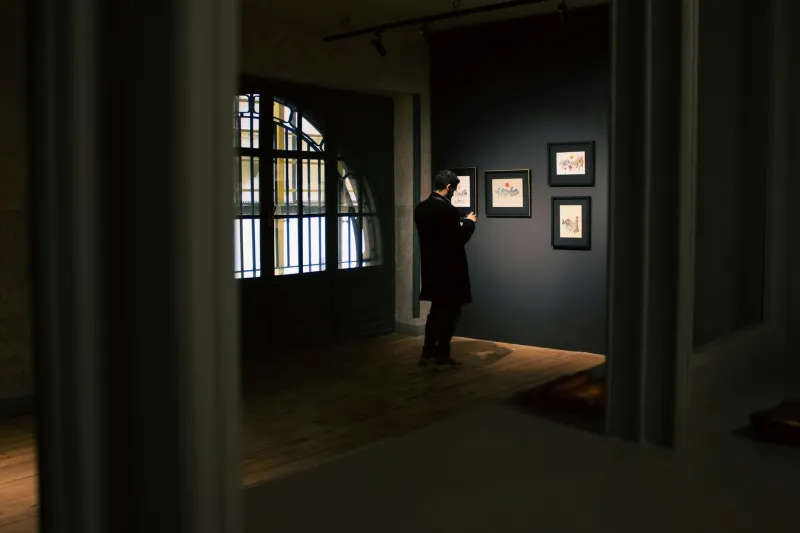
Forget the Royal Pavilion's gilded splendour for a moment. Brighton's most revolutionary art isn't housed in grand institutions but thrives in the shadows of railway arches, tucked behind unassuming shopfronts, and squeezed into basement spaces that most visitors walk past without a second glance.
These aren't your typical white-cube galleries with intimidating price tags and hushed reverence. Brighton's underground art scene pulses with raw energy, experimental installations, and work that challenges everything you thought you knew about contemporary art.
Where Creativity Meets Community
Take The Undercroft, nestled beneath Brighton Station's Victorian arches. What was once a forgotten storage space now showcases everything from immersive sound installations to politically charged photography. Curator Maya Chen, who transformed the space three years ago, explains: "We're not interested in art that sits pretty on walls. This is about work that provokes, that makes you uncomfortable, that starts conversations."
The gallery's latest exhibition features local artist Jamal Roberts' haunting sculptures made from materials found on Brighton beach – a poignant commentary on environmental destruction that feels urgent and necessary.
Meanwhile, in a former fishmonger's shop on Gloucester Road, Liminal Space Gallery operates on a shoestring budget but massive ambition. Run by collective of recent art school graduates, it's become a launchpad for emerging talent who can't afford commercial gallery representation.
Fighting the Tide of Gentrification
These spaces aren't just cultural venues – they're acts of resistance. As Brighton's property prices soar and chain stores colonise the city centre, independent galleries provide vital breathing room for creativity that doesn't conform to market demands.
"We're constantly battling rising rents and developers who see our spaces as prime real estate," admits Sarah Thompson, who runs Parallel Lines Gallery from a converted Victorian terraced house in Hanover. "But that's exactly why this work matters. Art shouldn't only exist for those who can afford it."
Her gallery champions artists working in unconventional media – recent shows have featured everything from kinetic sculptures powered by bicycle wheels to interactive installations exploring mental health through virtual reality.
The Curators' Rebellion
What strikes you most about Brighton's underground gallery scene is the fierce independence of its curators. These aren't career climbers playing safe with crowd-pleasing exhibitions. They're passionate advocates for art that matters, often sacrificing financial stability to champion voices that might otherwise go unheard.
At Flux Gallery, hidden down a narrow alley off North Street, curator David Martinez specialises in work by refugee and asylum-seeking artists. "Traditional galleries often want sanitised versions of immigrant experiences," he explains. "We show the raw reality – the trauma, the hope, the complexity that doesn't fit neat narratives."
The gallery's current exhibition features powerful mixed-media works exploring displacement and belonging, created by artists from Syria, Afghanistan, and Somalia who now call Brighton home.
Beyond the Traditional Gallery Model
Brighton's underground art scene isn't confined to fixed spaces. Pop-up exhibitions appear in abandoned buildings, temporary installations transform neglected corners of the city, and guerrilla art events challenge the very notion of what constitutes a gallery.
The monthly "Art After Dark" events see multiple venues opening simultaneously, creating an alternative art trail that winds through backstreets and hidden passages most visitors never explore.
Your Underground Art Adventure
Ready to discover Brighton's secret art world? Start at The Undercroft (beneath Brighton Station – look for the unmarked door near platform 8) before heading to Liminal Space Gallery on Gloucester Road. From there, it's a pleasant walk through the North Laine to find Parallel Lines Gallery in Hanover – the steep climb is worth it for both the art and the views.
Flux Gallery requires some detective work (ask locals for "the gallery down the alley"), whilst pop-up locations change monthly – follow @BrightonUndergroundArt on social media for the latest secret locations.
Most spaces operate on donations rather than admission fees, and many offer free wine at Friday evening openings – a far cry from the stuffy gallery experience you might expect.
The Future of Brighton's Art Underground
As commercial pressures intensify, these spaces face uncertain futures. Yet their curators remain defiantly optimistic. "Brighton has always been a city for outsiders and rebels," reflects Maya Chen. "That spirit doesn't die easily."
Perhaps that's what makes Brighton's underground galleries so vital. They're not just showcasing art – they're preserving the city's soul, one experimental exhibition at a time. In a world increasingly dominated by algorithms and market research, these spaces remind us that the most powerful art often emerges from the margins, created by those brave enough to challenge convention.
Next time you're wandering Brighton's streets, look beyond the obvious attractions. The city's most exciting art is waiting in the shadows, ready to surprise, provoke, and inspire those curious enough to seek it out.